Sign of the times…

As we drive, or walk, around Wagga and the surrounding area, there are a lot of things we see that are fun and interesting. Here’s a few…

This is, obviously, an echidna crossing sign. It is on the CSU campus in Wagga. We haven’t seen an echidna yet, but obviously it is some sort of porcupine-like creature. Knowing the Aussie way of renaming things, it might just be a porcupine. But then, if that were the case, they would probably just call it a porkie. Or a porco. Anyway, it is one of those signs, like the kangaroo crossing sign (too common to bother replicating here) that Lisa constantly has to explain to Dan that it is a warning, not a promise. He gets a bit annoyed when we drive past an animal crossing sign and he doesn’t get to see one. You’d think he would have learned with all those those elk crossing, moose crossing, bear crossing, etc…signs in the Rockies. Warning. Not promise.

Though we don’t think the kangaroo crossing sign is worth showing, these ones are. These are just two of the different styles of koala crossing signs you can see (Lisa’s favourite is the one that waves as you drive by; we’re not sure if real Koalas actually do this). We don’t have any of these signs right around Wagga; probably the only ones in the Riverina would be around the koala reserve near Narrandera but we haven’t been there yet (waiting for the annual koala count in April!). But we did see a lot of them in Victoria, south of Wangaratta.  These aren’t photos that we took…these were gleaned from other people’s websites. Why we don’t have our own photos still baffles us. When you leave Wangaratta driving south toward Melbourne, for about an hour you see these constantly. You are on a divided highway, 2 lanes each direction, lined with eucalyptus trees. Perfect koala territory. As we drove through it, we kept saying we would get photos on the way back. Well, for some inexplicable reason, the northbound highway (50 metres to the west of the southbound one) has no koala signs. Talk about things that make you go “Huh?” Why do the koalas cross one part of the highway and not the other? All we could figure out was that the northbound lanes had a rail line running parallel to them, about another 50 metres east, so the koalas stuck to the safer side. Too bad the grizzlies in Banff area weren’t that smart.

This is a Victorian road safety sign. Victorians take road safety very seriously. On the highway from Wagga to Melbourne, once you cross the state line from NSW into Vic, signs like this are not only common, but so frequent you can’t ignore them. How can you pay attention to the road when you are so busy reading the signs? And isn’t there a bit of a problem with them: if  you are cruising down the highway at 110 km/h (Australians don’t speed), and the sign says “powernap now”…well, maybe it should say “pull over and have a powernap when it is safe to do so.”

This is one of our favourite signs in Wagga. This is near the Murrumbidgee Turf Club (where the thoroughbreds race, on grass, as opposed to the dirt track at the Wagga Showgrounds where the trots take place). You see signs like this in all the towns around the Riverina. Obviously, there is an abundance of poo. Horse poo generally goes for $2 a bag; sheep and cow poo is a bit more. But we think that maybe the people selling horse poo need to take a lesson in marketing: it is always $2 a bag, but there is never any there. Obviously the demand is higher than the supply, so they should be able to up the price to at least $2.50 a bag. Note the honour box beside the tree, where you can leave your gold coin.
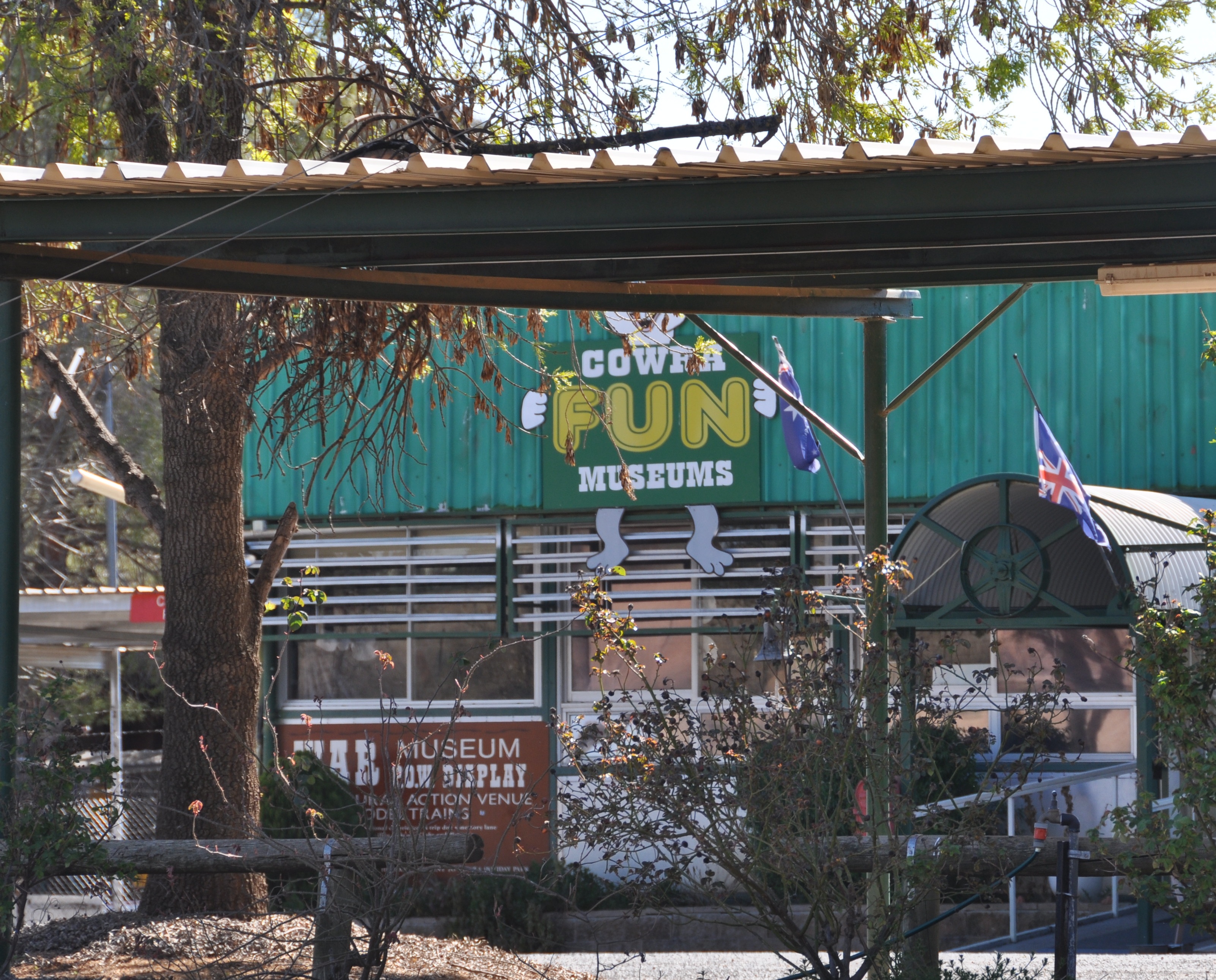
This is one you have to click on to see larger to really understand. Cowra is a town about 1/2 way between Wagga and Bathurst. Given that Bathurst is a frequent destination for us for work purposes, we pass through Cowra quite often. It has a nice rose garden in the centre of town, and on the outskirts it has the Cowra Fun Museums.  No idea what they are about (and no idea if they actually pay Warner Brothers for using Bugs Bunny  – you can’t see it well in this photo, but that wascally wabbit is holding the sign).  Besides the rose gardens, Cowra has two other claims to fame. One is that it is a a wine region, getting a short (and not overly flattering) entry in Hugh Johnson and Jancis Robinson’s The Concise World Atlas of Wine (but we’ve had some good Cowra wines… Pig in the House shiraz is worth the money just for the story on the label!). Cowra’s other claim to fame is that it was where several Japanese POWs were imprisoned during World War 2. At some point, they attempted to escape and some Australian soldiers and most of the Japanese prisoners were killed in the ensuing battle. There is a great story about how the people of Cowra didn’t hold a grudge, treated the bodies with respect, and instead of repatriating the corpses the Japanese government decided to build a memorial garden in Cowra. All a sweet little story really. So, what does this have to do with the Fun Museums? We don’t really know, but if you look closely at the sign, you will see that the War Museum and POW Display is part of the Fun Museums…yes, really. Maybe some day we will stop and see just how fun it is.

No, this isn’t reference to the Gillard government’s Malaysian Solution or Christmas Island (there aren’t enough e’s on this sign). But just like refugees crowding onto unsafe boats to make the ocean crossing to Australia, pedestrians in Wagga are risking their lives and have no rights. These signs are in the middle of the road at roundabouts in the CBD. Basically, if you want to cross, you scoot as quickly as you can to the middle of the road and stand in this area until it is safe to cross the rest of the way. Supposedly the metal sign pole and the 3 inch kerb will protect you from oncoming traffic. That, or you can just wait a few seconds for the traffic to clear…it isn’t that busy, and unless you are really eager to cross, it will be safe to do without risking your life pretty soon.

Posted in Australia, Cowra, danger, driving, horse poo, kangaroo, koalas, Melbourne, Riverina, road signs, traffic signs, wagga, wagga wagga | 6 Comments

Recycling, Lockhart style

Lockhart may be tidy, but it is also dying. The cafe and the picture show are both for sale.

A few weeks ago, at the Muddi Markets in Wagga, we talked to a woman (Trish) at a booth advertising the Spirit of the Land Festival in Lockhart. One of her best friends lives in Canada, so we had a good chat. The festival looked very interesting, and when we realized it was only an hour’s drive from Wagga we immediately put it into our calendar. And today, we went; and yes, we saw Trish there. And every year from here on in, we will go again: it was spectacular!

The Spirit of the Land Festival is a festival of farm art – and not just any art, but specifically farm sculpture. Up for grabs is a $10,000 National Farm Art Sculpture Award prize. The festival admission is $5 per person, which gets you into the sculpture garden at the caravan park (what a fitting venue!) and two halls  with some Aboriginal painting, some basic landscape painting, a bit of small sculpture, some wonderful cardboard box art from kids in schools in the Riverina, that type of thing.  There is a street market for free all weekend. And there was the Doris Golder Gallery…more about that at the end of the post, but for now we will say that the additional $5 each to get in (museum, not part of the festival, and one of Lockhart’s only year-round attractions) was money well spent on the trip.

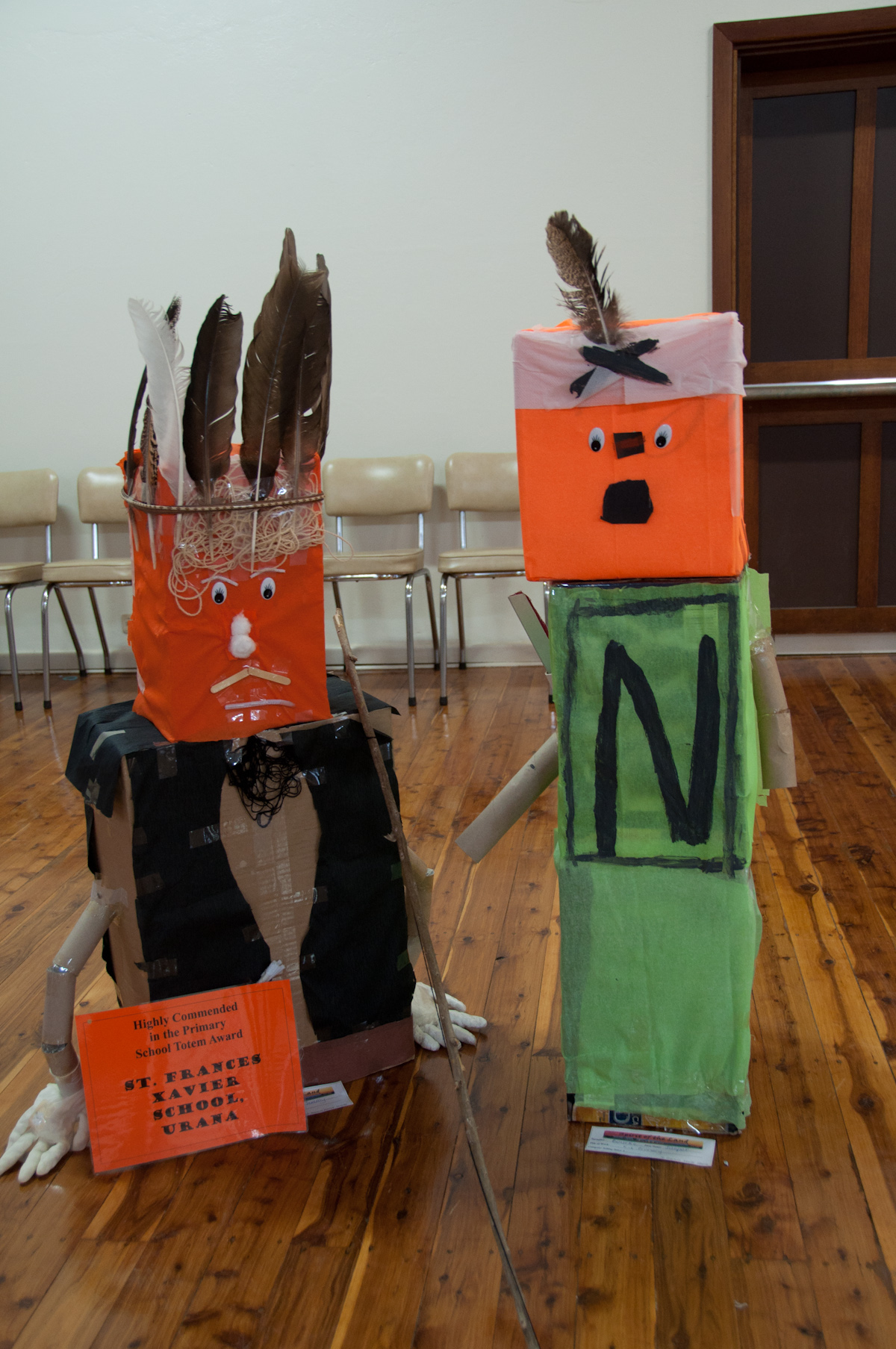
There was an entire room of 'totems' built by school kids in the Riverina area. Some of it was absolutely stunning. Hopefully they will go on to learn to weld.

It started to rain just as we got to Lockhart, so we looked at the indoor exhibits and the street market, which was mostly covered as are most sidewalks (sorry MO…footpaths…) in this part of the country because of the sun. The market didn’t have much, but we did buy 6 grapefruit for 10 cents each and 6 of the biggest lemons we’ve ever seen (they are bigger than the grapefruit) for $1. And we thought we had gotten a good deal at the Wagga farmers market the day before when grapefruit were 3 for $1.  Then, just as we left the Doris Golder Gallery (where we were given 6 oranges, for free!) the sun came out and we had perfect weather for the sculpture exhibit.

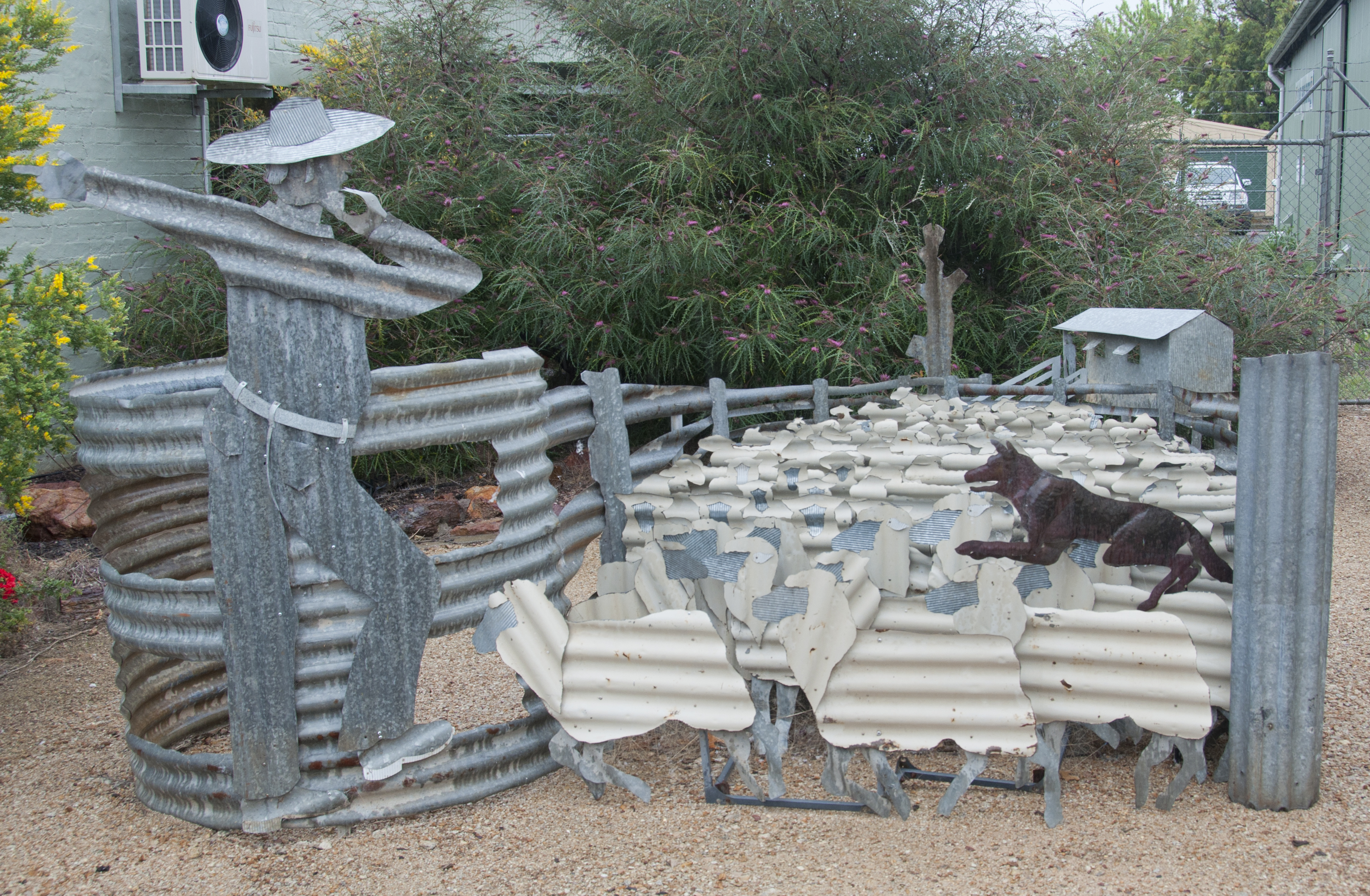
The sculpture exhibit was beyond description. There was a huge range of sizes, of styles, and of materials. Pretty much the only common element was that it was made of junk. Old sheet metal, corrugated tin, lawn mowers, wrenches, gears, some wood, rope…you name, if you can find it laying around somewhere on a farm or, as one guy pointed out, the side of the road, it was incorporated into the art. In the artists’ bios, there was also a theme of this being a therapeutic art quite often: with the drought in the Riverina for the past decade, a lot of farmers were destitute. To provide support for them, many of the towns opened a ‘men’s shed’ – literally a shed where farmers could get together and talk and just have a bit of camaraderie. It was at these sheds that many of them learned to weld and got creative with the junk around them.  The themes, however, ranged from rural to mythological to whimsical. Some of it was absolutely amazing, some of less so, but all of it interesting if not aesthetically then just for an insight into a part of Australia that very few people see. But, oddly, a part of it that is pretty big in its own right.

The Doris Golder Gallery is in the museum in Lockhart. You have to love the address on the sign: near the clock! Might be hard to find if Lockhart wasn't so small (or if the sign wasn't beside the gallery, under the clock).

And the 2012 Spirit of the Land Festival is on October 13 & 14 – anyone thinking about coming to visit next fall (Canada) or spring (Australia), try to work those dates into it. You won’t be disappointed.

We took a whole lot of photos of the sculptures (and more of the kids totems); they are at the bottom of this page.

But first, back to Doris Golder. Doris Golder is a portrait and landscape artist from Lockhart who works in wool. Yes, wool. Not watercolour, not acrylic, not ink…wool. Here’s what she does: She starts with a photo (not taken by her; often, something that has inspired her in the newspaper). Then she glues a layer of pure white (not dyed, but natural) wool onto a board, and draws an exact replica of that photo onto the wool in pencil, shading it in grey scale.  Then, here’s where it gets both wacky and amazing, she lays bits of wool of various shades (again, all natural, no dyes) onto that sketch to make a version of it in wool. This top layer isn’t glued on; it is just held in place by the glass in the frame. It is…it is beyond belief.

Probably a curator's worst nightmare, the Green's Gunyah Museum is a tin shed with no climate control and a whole lot of spiders. No architect could design a better building for what is housed in it.

Sure, it is cheesy, but it is fascinating. Subject-wise, there are portraits of everyone from Rupert Murdoch to Greg Norman to local politicians; there are pet portraits; there are landscapes. And then, because Lockhart is in the middle of sheep country (the area was settled as a 480,000 acre sheep station), she also did pictures of sheep. You can’t help but laugh at a woolen picture of a sheep, then laugh harder at the picture beside it of a sheep being sheared.

So, along with the sculpture and totem photos, there are a few of Doris Golder’s pictures too. Please click on them to see enlarged versions.

You know you are almost in Lockhart when you pass these on the highway. You can't miss a kangaroo (with a joey in its pouch!) and an emu made out of old cars.

This iconic Australian sculpture wasn't part of the competition - it's the 2008 winner! It is in the centre of Lockhart.

The 2010 winner, now on permanent display in downtown Lockhart. Lots of people climbed up for a photo beside the driver.

This got our votes for the People's Choice Award, a man riding a kangaroo. The artist said he was always asked, when he met foreigners, if Aussies rode kangas. Title: Australian Myth.

Detail of kangaroo rider. This is by a guy who lost his job because he lost his license, so lost his job; he moved back to his home town, learned to weld at the shed, got a welder for Christmas, and carried home scrap he found on the roadside. Incredible story, and incredible art!

Winner in the Silhouette Category. Nothing special. There's no photo of the overall winner because it was always crowded, but really it was no better, and not much different than, the 2010 winner above.

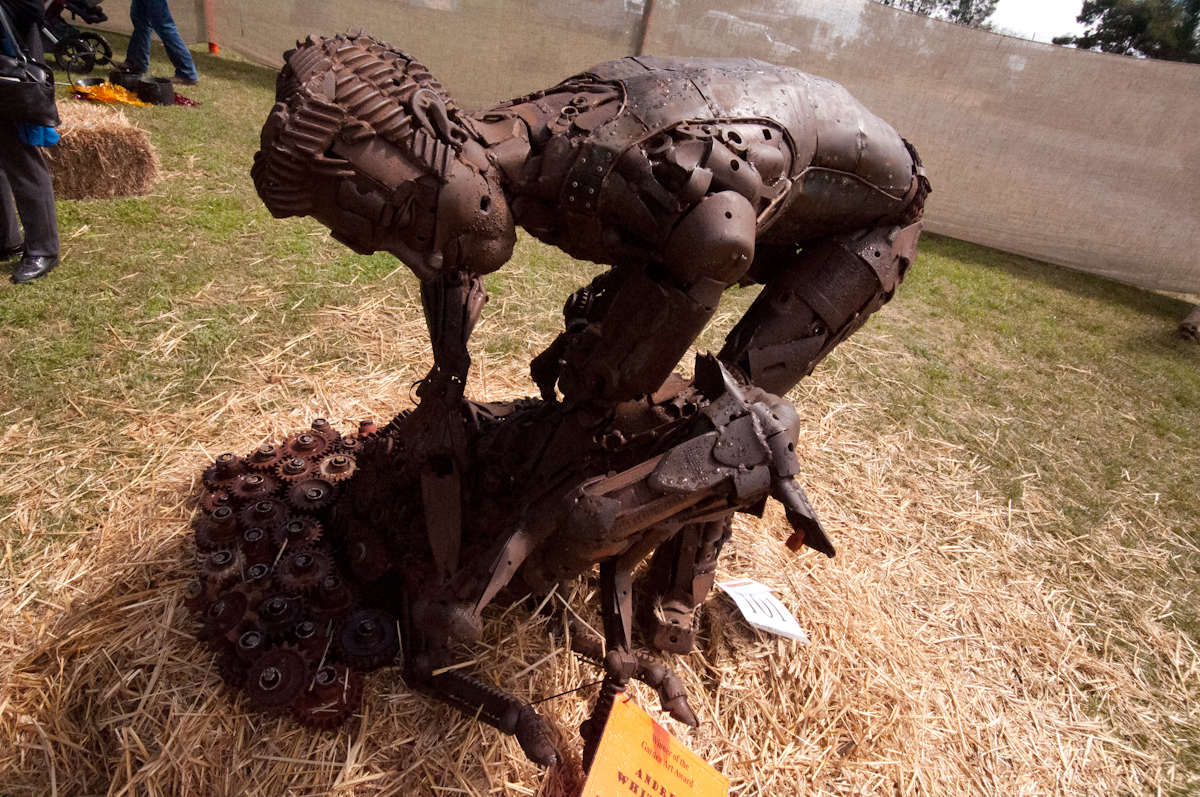
This was the winner of the Garden Art category, and a clear audience favourite. After watching so much sheep shearing in Ganmain, we really appreciated it.

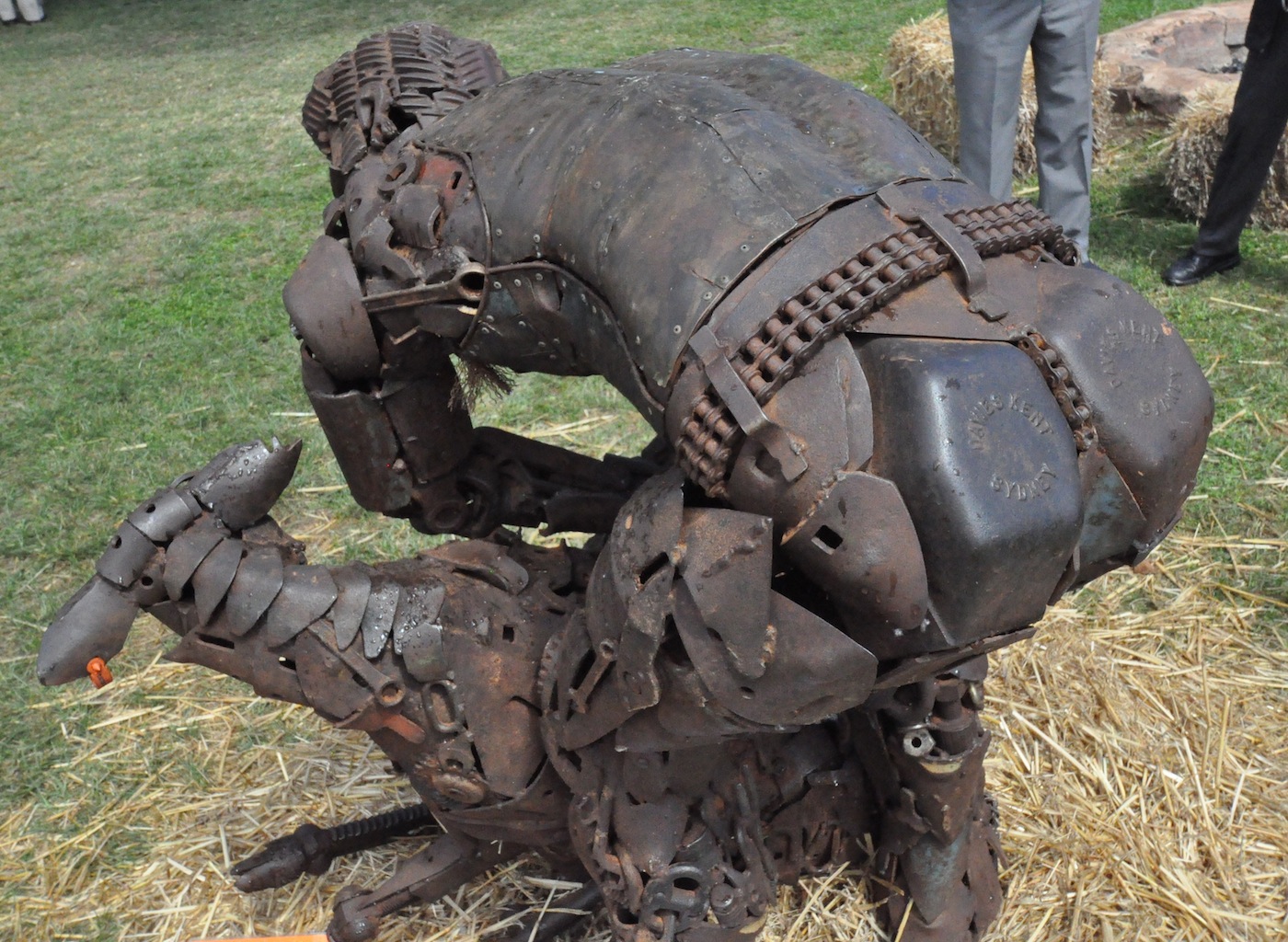
This is the second part of the sheep shearer sculpture - a sheared sheep. The little tag on his ear is even authentic.

The attention to detail on this shearer is incredible. On the first picture, you can see a tattoo of a guitar (shearers wear singlets, so no sleeves). In this one, underarm hair!

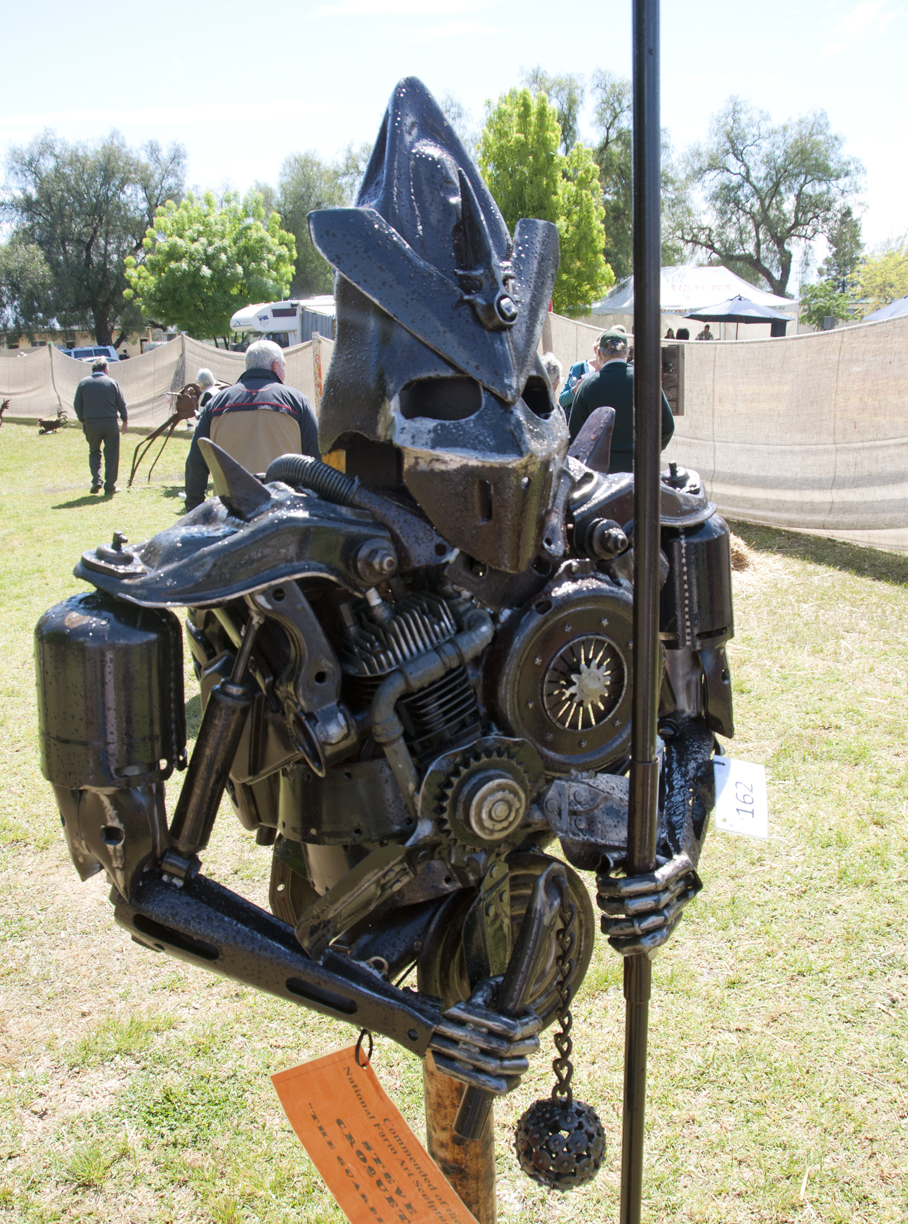
This is one of a pair of sentries at gate to the exhibit: a lawn mower engine, plow parts, and shock absorbers. Brilliant.

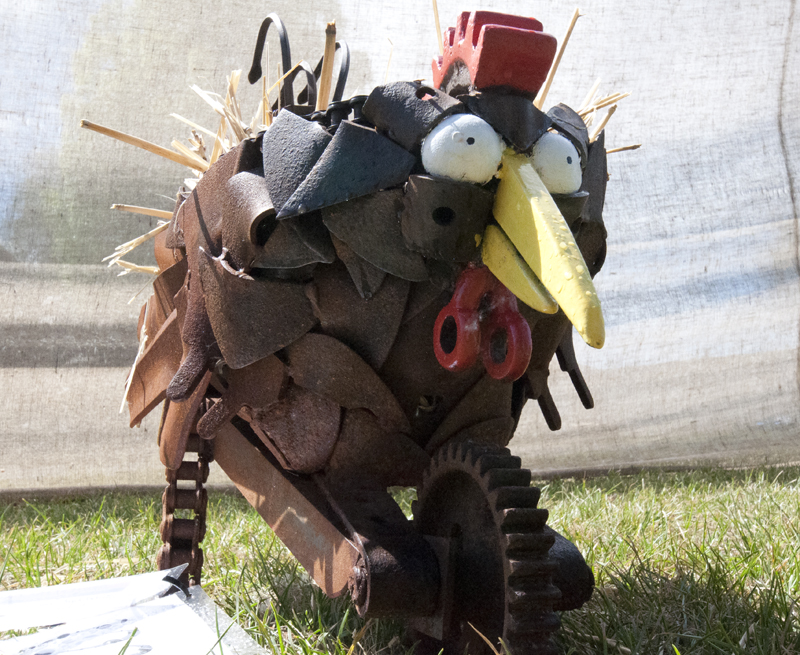
This little guy was great. Probably designed to be a planter, he had a straw nest full of real eggs in his back for competition purposes.

Every school kid in Australia wants to be Ned Kelly, every craft competition features many likenesses of him. This, however, is the first we've seen of him as an ice hockey goalie.

This is one of Doris Golder's pet portraits. Look closely at the detail - this cat has whiskers! Doris Golder is either a genius or crazy.

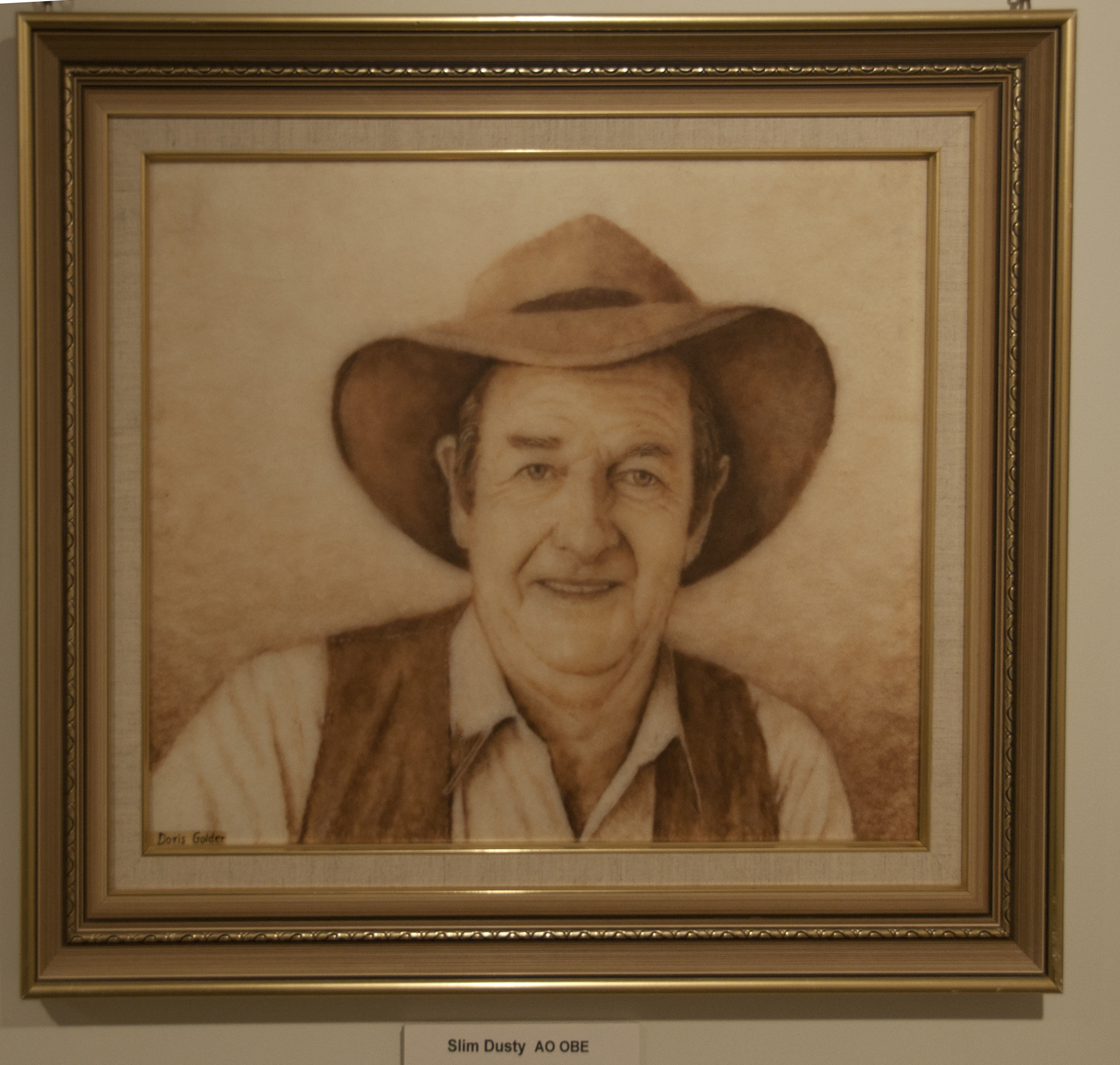
This is Doris' portrait of Slim Dusty. He's an Australian country & western legend. He recorded an album in Wagga!

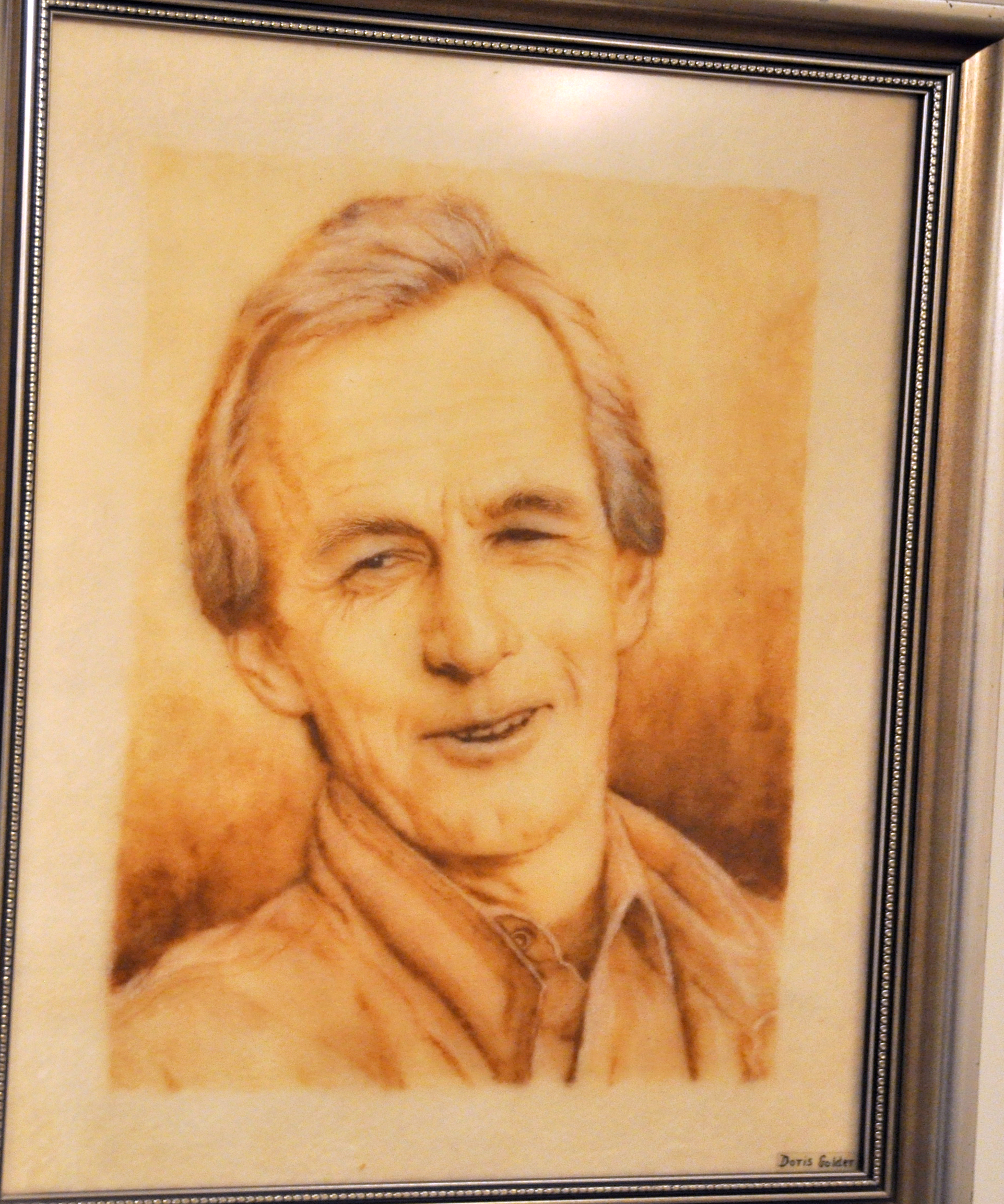
And we all know who this is. Sorry about the bad photo, the museum didn't allow photos so I took them secretly.

Posted in agriculture, art, citrus, festivals, Lockhart, museums, rural life, small town culture, Uncategorized, wool | Leave a comment

things that make you go “Huh?”

Overall, Australia isn’t that much different from Canada. We share a British heritage, we speak the same language (sort of), and so the general everyday life is easy to understand. But every now and then, we come across things that don’t make sense. Some are probably nationwide, some are probably local to Wagga, and some are very local to our house. This post is a collection of things that we may never understand.

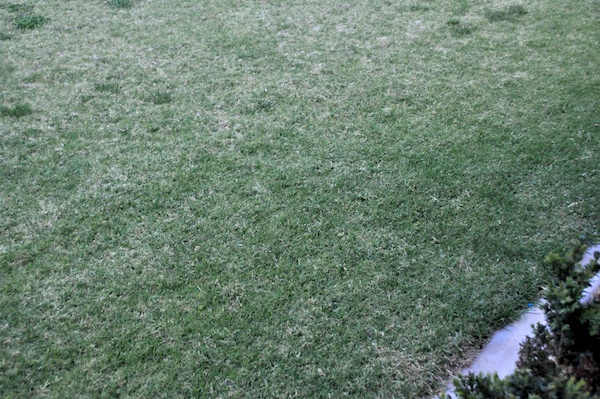
In a country that has been suffering a drought for several years, why do they cut the grass so short?

This grass hasn't been cut in three weeks, and though you couldn't putt on it, most golf courses don't keep their tees this short.

It is common knowledge that cutting your grass at about 3 inches is ideal; longer grass has longer roots, therefore needs less water. But the Australian way seems to be a contest of who can keep their lawn the shortest. This, however, means that it doesn’t do well without water.  Do they play back yard bowls? Or cricket?  It doesn’t make a lot of sense. And the grass is kind of weird anyway – something called ‘buffalo grass’, that is a creeping form of grass with a huge, coarse root system.  We bought a lawn mower (a rechargeable Ryobi 36 volt…it’s pretty cool) and Dan has it set on the lowest setting. He is doing what he never understood people in Edmonton doing, cutting it short. When in Oz, do as the Ozzies. Of course, Lisa’s idea is that if the grass is short, it will make it easier to spot snakes.

Where did that spider come from?  You can be in a room, walk out for a few seconds, come back, and there will be a big spider in the middle of the floor. How did it get there? One day, Dan was cleaning the bathrooms and there was a huge spider in the ensuite. Where did it come from? And even worse, one day he was in the kitchen mopping the floor, and and one landed on his arm from above (he quickly shook it off and he messed up the floor by jumping on it). There aren’t really places they could just quickly emerge (they move fast, but not that fast), at least not that we know of. Do spiders have teleporting capability? Huh?

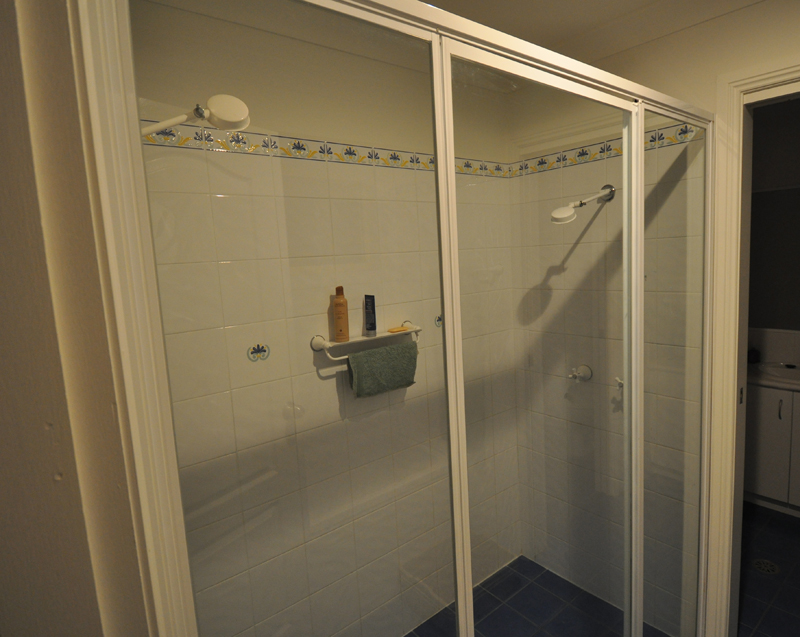
The average Australian family has 1.7 kids, so you could wash the neighbour kids in here too. Or maybe it is so big because it makes it easier to bathe the family kelpies.

Why is the family shower in our house so big? This is one that has been baffling Dan since we moved in. He uses this big one – down the hall – while Lisa gets the ensuite; so he has had time to think about it. This hadn’t bothered Lisa until he pointed it out recently (she was just happy to have a bathroom to herself, as she’d become accustomed in Edmonton). The ensuite shower, off the master bedroom, and therefore the one that ‘mom and dad’ in a typical Australian family would use, is small. One person fits well, two would be cosy (smile). But the main shower, the one that would normally be used by the kids in the family, is a large one with a two-head shower. Huh? Do the kids have communal showers? Did they do this during the drought to save water?

What the hell is arvo? As noted in the last bike posting, arvo is the Australian term for afternoon. We understand a lot of the short form, -o and -ie words, such as bikie, and servo (service station). But this one is a bit confusing. Why not afto? Where does the ‘rv’ part come in? We think that it probably has its origin in a pub, where after far too many VBs, some drunken bogan slurred to a friend “I’se gunna feel pretty shitty when I wake up tamara arvo, mate.” He didn’t mean to say arvo; he really meant afternoon, but couldn’t actually pronounce the word (or any word) properly.  We think it is quite likely that VB (or Carlton or Bundy and coke) is the root of much Australian slang.

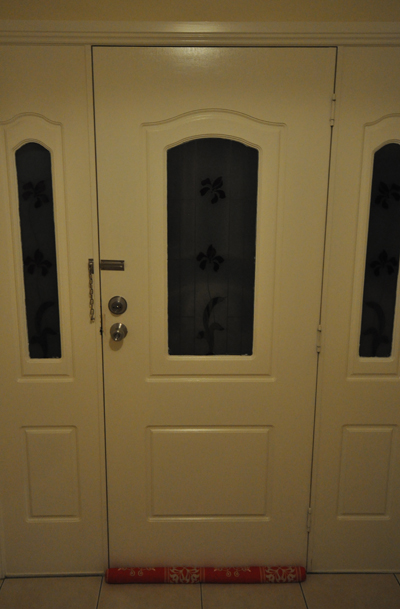
The crack around this door would let in some big flying bugs, but the 'draft stopper' that we bought at a local craft show is covering a gap that let a huge (HUGE!) beetle stroll in one night.

What is the aversion to weatherstripping? We’ve occasionally mentioned this simple rubber strip that people put around doors in Canada (and most of the civilized world), and people here just say “we don’t need that”. Well, guess what – yes, you DO!  Weather stripping is a good thing.  Waggans complain about the cold (even though it doesn’t get really cold) and about the heat (it does get really hot). But we were recently told, by an Aussie who has just moved back here after 26 years in the US, that the average Australian house has so many gaps around doors and windows that it would be like having a 1 square meter hole in the wall. This, we assume, they would notice and fix (unless they live on Ziegler Ave, where that seems almost common). But when it is just a bunch of 1 cm gaps around all the doors…no worries. But sealing those gaps can: 1) keep the cold out in winter (and assuming you have a heat source, keep the heat in); 2) keep the heat out in summer (and assuming you have air conditioning, keep the cool in); and 3) keep the bugs out. Spiders, moths, flies…those can be stopped. Sure, Mortein is good for the bug part, but it doesn’t kill everything and it doesn’t keep you warm.

So even though we can't make left turns on red lights here in Wagga, at least we aren't in Melbourne where you make right turns from the left lane. We avoided these...

Why can’t you make a left turn on a red light? (People in North America have to remember that a left turn here is the equivalent of a right turn there). First off, there aren’t a lot of stop lights in Wagga. And no, that’s not because it is too small (Wiarton, near where Dan is from, has only one set of lights, but that town IS that small); it’s because most of the intersections are roundabouts. Once you get used to them, they are better than lights. They are very efficient and keep traffic moving. They work well as long as people remember to use their turning signals (which they do here, quite well). But at the intersections where there are lights, you can’t turn on a red. So you will be sitting there, no traffic coming, and could safely do it. It is very tempting sometimes, and when we first got here Dan did it several times until we finally Googled it and then asked a local if it was allowed: we were observing that no one else did it and thought this was strange. Some of the intersections have special left turn arrows on them, indicating that at certain times you can go, but if that isn’t lit, you can’t. We’ve been told that there is one intersection on the west end of the CBD that actually allows ‘left on red’ turns always…supposedly there is a sign informing drivers of that. We don’t think we’ve seen it yet. Wow – the city is big enough that we haven’t yet seen all the traffic lights!

Posted in Australia, bogans, bug spray, cold, driving, language, Melbourne, rural life, small town culture, spiders, weather, winter | Leave a comment

long weekend wagga

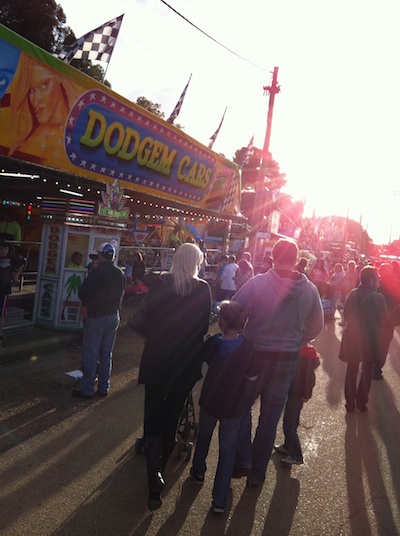
Wagga Show was this week too, coinciding with school holiday. Since there aren't a lot of interesting photos about Labour Day, we'll just post pics from it. This is the midway.

It is Labour Day weekend here in Wagga. A month later than in North America, it is out of sync with many other things we associate with Labour Day: in Canada, Labour Day was a time when kids returned to school (and for those working in academic settings, those kids came back and invaded the space that had been pleasantly quiet for a few months).  Labour Day was the end of summer; you could expect cooler mornings, the leaves would change colour and then fall, the days would get shorter, and, inevitably, it would get cold and the snow would come. Here, it is part way into spring (starts Sept 1 here), akin as much to the European May Day as the North American Labour Day, and midway through a tw0-week school holiday (the school year here is a bit confusing, and not having kids in it, not really on our radar).

To make it even more confusing, different states celebrate Labour Day at different times. It is in the spring in New South Wales (where we are), South Australia, and the ACT. Victoria, a 90 minute drive from here, Queensland and Tasmania recognize it in March (autumn). The Northern Terrritory actually recognizes May Day in early May. But what is similar in all of them is that it is in honour of the labour movement in Australia, specifically the fact that the labour movement won us the right to work an 8 hour day.  In fact, in Tassie the holiday is actually called Eight Hour Day.

This goat won "Best in Show." Dan asked the farmer what it took to be a winning goat. He said she had good body composition, and good udder attachment. Does this mean that goats have a problem with their udders falling off? We would have judged her down though based on her horn stubs being a bit weird.

This is, however, pretty silly. Who actually works 8 hours a day?  Not us. Dan works 35 hours a week…sure, he works 8 hours some days, but then ends up with an afternoon or day off to make up for it; he gets paid for 7 hours a day. Lisa…well, she works between 10 and 30 hours a day most days (probably 60+ hours per week on average). But to make it even sillier, by law an employer can’t make you work more than 38 hours each week. So maybe the Tassies need to change their holiday to 7.6 Hour Day (note from Lisa: except in academia, where it would be known as 12 Hour Day… except we would celebrate by only work the normal 7)!

That 38 hour per week law is one of the wonderful things imposed on the nation by a governmental bureaucratic office called Fair Work Australia. Maybe it was the Labour Movement (as opposed to the Labour Party) who standardized a  4o hour work week but then were usurped by the government, and the holiday needs to be changed to Fair Work Day.

Fair Work Australia is also the government department that sets minimum wage. And, from our perspective (being a bit on the socialist side of things) they are doing a hell of a job! Minimum wage in Australia is, get this, $15.51 per hour. Sure, there are lower wages allowed for young people working part time, trainees, apprentices, etc., but anyone over the age of 20 gets at least this much. In most parts of the country (maybe not Sydney or Melbourne) it is a living wage. Compare this to Alberta where it is $9.40. Yikes! What it means is that you can have people working in service industry jobs – retail, restaurants – who actually make enough to live on, maybe not well but they aren’t starving. And they are relatively happy with their job, so you get generally good service from people who aren’t just being gnarly and acting like your request for help is interrupting an important Facebook update on their iPhone. And because the rate of pay for food-industry servers is pretty good, tipping isn’t common. In a good restaurant, you might leave up to 10 percent, but in a cafe or diner, no. Which makes those seemingly exorbitant menu prices a bit more palatable – things look more expensive here, but depending on where you are in Canada, tax and tip might be another 30 percent. Here, what you see is what you pay.

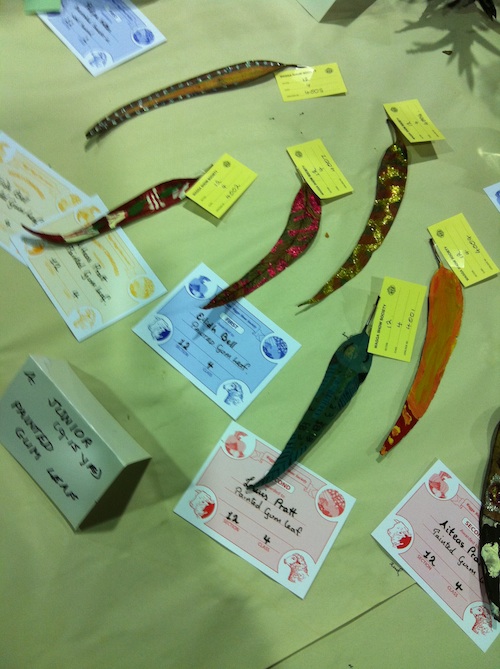
Competitions at shows are pretty much the same here as the fairs in Canada - people everywhere make pickles and knit coat-hanger covers. But this is something that is unique to Australia: painted gum leaves!

And though this next paragraph could have gone in a HTSA post, the word ‘penalty’ has new meaning here: it is what most of the rest of the world calls ‘overtime pay’. But it isn’t just for working over a certain number of hours (which might not actually be legal); it is for working off of the traditional business hours – meaning if a store is open on a Sunday, the employee is earning at least $22.75 per hour. Not bad for retail work. But even with this fairly high minimum wage,  it seems many people (who in Canada would be stuck at that rate for years) earn more. A recent news article comparing wages of men and women (men earn more…Australia isn’t that much different than anywhere else…sadly!) pointed out that the average female retail worker earns $906 per week, which works out to over $22 per hour for a 38 hour week. Since all of those hours can’t be on a Sunday, this is a pretty good wage (men in retail, for some reason, earn about another $2/hour). Not surprisingly, retailers complain that the penalty law costs them a lot, and say that they might just stop opening on Sundays.

So, yes, it is a long weekend for us, the first since moving here. Australia has fewer statutory holidays than Canada, so where we are used to having almost one per month (some not for everyone, but the UofA gave us anything that resembled a holiday, such as Remembrance Day and Family Day), we get about half of those here. Oh well, we’ll trade those days off for the climate.

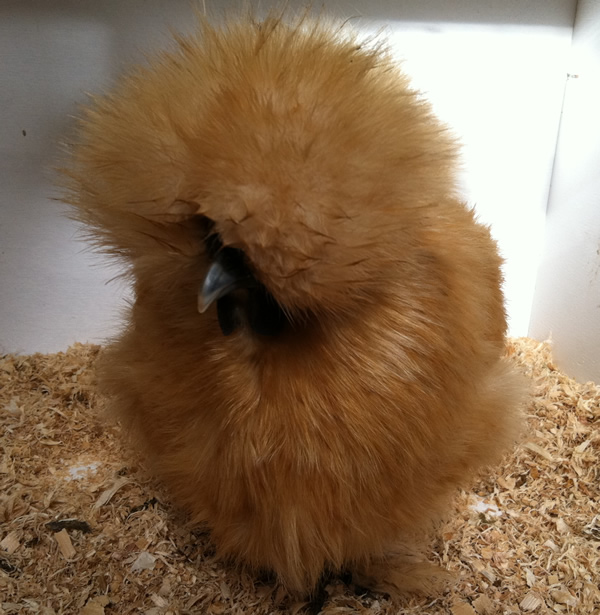
Chooks are judged by breed - Australorps, bantams, leghorns, etc. But there is also an AOV category: any other variety. This means that Wagga allows people to enter chooks that have been bred with Pomeranians.

But even more than it being a long weekend, it is a big weekend in Wagga and Australia. In Wagga, the end of last week was the Wagga Show. We went with some friends (who wouldn’t normally have gone) to see how it compared to Ganmain; it wasn’t nearly as good. It wasn’t the real rural experience. It had a huge midway, some cheesy ute and motocross displays, and a lot of people selling Dagwood dogs (aka corn dogs) and sausage sangas, and really horrible coffee. But there wasn’t any sheep shearing, no dogs herding sheep, not as many animals, not as many cool baking and craft competitions. And no pie eating contest. There were fireworks, which we didn’t stick around for but instead went back to the friends’ house for wine and Indian take-out; so we watched the fireworks from the middle of their street (they live on the hill that blocks our house from seeing the show grounds). There are also boat races (the Paper Tiger Catamaran competition!) on Lake Albert this weekend. And probably something else; there’s always lots going on.
Even more important across Australia is that it is Grand Final Weekend. This is the end of football season; the AFL final is in Melbourne on Saturday and the Rugby League final is on Sunday in Sydney. The clerks at the bottle shops will be earning their $22 per hour this weekend!  We don’t know if we will actually watch any of the games on television…maybe the AFL one. We don’t really know much about either final: Geelong is playing something, and Manly are playing something, not sure if they are in the same league and playing against each other, or different leagues and they are playing someone else…obviously with 2 games there are a couple of other teams. But that’s about the extent of our football knowledge: 2 games means 4 teams. And Meat Loaf is providing musical entertainment performing at the AFL game. How Australian is that…(not! It was widely reported in the press that he thought the Magpies were from Geelong; silly man… everyone knows that the Cats are from Geelong and the ‘pies are from Collingwood) (Dan here…that was Lisa’s edit….not everyone knows that the Cats are from Geelong [pronounced Juh-long) or the Magpies from Collingwood – I didn’t even know that the teams were called the Cats and the Magpies, but I do know I had a really great shiraz from Geelong last week!)

The ute races were just two utes, on the harness racing track. The same two utes in multiple heats. They kept going until the Holden won more than the Ford... We got really dusty watching this.

And as an aside it is also a big weekend in our family – we’re sad that we are missing a wedding in Ontario…best wishes K&E! We can’t wait to see the pics.

And for those of you wondering, that isn’t really a chook/pom cross up there, it is the silkie chook that won first prize in this year’s show. There are a lot of strange breeds of chickens that we didn’t know existed! Many people have chooks in the backyard here (seriously!); Dan’s keen to give it a go, but Lisa and the cats are not so sure… (Dan here again: just wait until we get our own house. I ‘ve already got plans on how to start the brood!)

This little guy was up for grabs out by Lake Albert last week, but even if he's gone, we always see chooks at the market for cheap.

Posted in agriculture, Australia, birds, bogans, chook, danger, fair work, fall fairs, football, footy, goats, gum tree leaves, holidays, labour day, labour day weekend, lake albert, Melbourne, minimum wage, rural life, sausage sanga, shows, small town culture, sports, utes, wagga, wagga wagga | 1 Comment

Biking around Wagga

As mentioned previously, last week was Bike Week in New South Wales. Every city/country/state/province has something similar…a time when they encourage people to ride their bikes more often but spend more on advertising the event than facilitating it. So there are bike week events around Wagga, but after it ends it won’t make any difference (cynics are us!). And later this spring (yes, it is spring here) CSU (through its ‘green’ office) is having a “bike to work day”, where people can meet at a local cafe, have coffee, then ride together. Great idea (though why it isn’t part of Bike Week makes no sense); but then there aren’t convenient places to change your clothes or shower once you get to work (and it might be really hot!). And neither of us have good places to park our bikes – yes, we can just take them into our offices, but in the grand scheme of things if you want people to ride to work, provide secure parking, showers, etc.

This is Lake Albert, one of the places we ride frequently. It is a nice ride but people tend to walk in the middle of the trail with headphones on; they are not able to hear your bike bell and get out of the way, which is really annoying.

As part of NSW Bike Week, Bicycle Wagga Wagga (BWW) held a few events. We’re not sure what most of them were, but Dan did take part in a 2 hour social ride on Sunday with a group of 17 riders, meandering through the rural area around the Lake Albert neighbourhood. Lake Albert is a small lake about a 10 minute ride from our house, and a regular ride for us; we can get there, do two and a half loops around it and come home a different way, in a little over an hour. It was a fun ride that Dan went on, though he is thinking that he probably could have gone on the more advanced 50 km ride, rather than the slower 35 km route. Lisa would have gone, but she had been away seven of the past 10 days, and was leaving again on Monday for another couple of days away, so had a lot of work to catch up on.

This is a crimson rosella. They don't swoop at you like magpies do, and they are very pretty.

Usually we just stick to the good trails – mostly paved (or as they call them here ‘bitumenised’) with just some gravel or hard dirt patches. But there is one that Dan likes to do occasionally that is just a narrow path through Rawlings Park, just southeast of the lake. It isn’t very long, but it is a beautiful area of gum trees that are home to crimson rosellas and red-rumped parrots, that then opens onto a pond with lots of ducks, purple swamphens, ibises, and the occasional egret or heron.

Another common ride takes us north into the CBD, along the Murrimbidgee River, then a loop around the Turf Club (the horse racing track).  This one involves more road riding, but most of the streets we use have bike lanes. The only real challenge was figuring out how to use the roundabouts…is it safer to dismount and cross on foot, or to just ride through? Still not sure, and it really depends on the amount of traffic.  Something interesting that Dan found out on the BWW ride was that we have been signalling incorrectly. In Canada, you use your left arm for signalling: straight out is a left turn, bend it up for a right turn, and bend it down to signal stopping. Here, the law (convention?) is to use your left arm straight out to signal a left turn, and your right arm straight out to signal a right turn. Stopping is your left arm bent up. Luckily Dan hasn’t been hit by a car while signalling that he was stopping when he thought he was signalling to turn right. Oops!

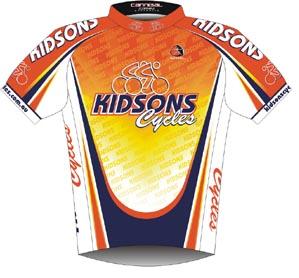
Australians take their cycling (like any sport) quite seriously. And this means, like with any sport, having the correct clothing. Everyone who rides here not only wears the padded pants but also has a jersey.  Every bike shop sells a variety of them, many of them branded with their store name. We used to think these things were just for racers, but on the BWW social ride, almost everyone was wearing them. Luckily, so he didn’t stand out from the crowd, Dan had just bought a couple on a really good sale at Rebel Sport, so didn’t show up in the bright yellow Manchester United football shirt that he often wears (comfy, and very visible!). And yes, even Lisa has real bike wear.

We didn't buy shop-branded jerseys, but it is amazing how many of these Kidsons shirts, and Kidsons shorts, we see riding around Wagga.

Because the Aussies are so into biking, there are a lot of trails and organized road rides. BWW runs them a couple of weekday mornings (not much good for us working folk), and a Sunday afternoon ride that we will start going on occasionally (moving to Sunday morning for the summer because it will be too hot in the arvo). Canberra, the closest big city to us, has an extensive network of trails that we hope to explore. And one of the riders Dan rode with last week told him about a really great trail in Victoria, where they have paved over some old rail lines. She had recently done one from Wangaratta to Bright – 96 km of flat, level terrain, going through small towns that are used to cyclists and very bike friendly. She said you park in Wang (Victorian shortform), ride to Bright in one day, overnight in a pub (where you park your bike in the room), have some great food and local wine, and then ride back the next day. All she said you need to take is a water bottle and a pair of clean undies!  Sounds like fun. But not as much fun as the Tour de Rutherglen winery ride, where a group of cyclists tour the region known for making the best dessert wines (aka stickies) in the country (world?).  After several wineries and lunch, they check to see if you are still legally allowed to ride. If not, or if you don’t think you can continue, they take you back to your hotel. We heard about this one too late to plan it for this year, but will definitely be doing this next spring! Anyone want to join us? We can probably find a bike hire (rental) place somewhere…

Posted in Australia, bicycle, bicycles, bike shops, birds, cannondale, cultural differences, cycling, lake albert, wagga, wagga wagga | 4 Comments

You look like an idiot…

One of the reasons we moved to Australia was for the climate.  With apologies to everyone in Canada, and even more so to those in Edmonton, our home country isn’t a liveable place for several months each year. We came to realize, after tolerating several horrible winters in Alberta, that the lifestyle there isn’t conducive to healthy living – for several months each year, you really can’t go outside.  So as we were planning the move, among the things we sold were our bicycles, because we knew that with the opportunity to ride for several (most? all?) months each year, we would want better ones.

After a lot of scouting, we decided that Kidsons was the best bike shop in town.

In our first week here, Dan scouted out the bike shops. There are three that sell good bikes: Wagga Cycle, that sells mostly Giant bikes; Morgan Street Cycle, the local Trek dealer; and Kidsons, who sell Merida, Cervelo, Cannondale, really good bikes… After a bit of recon, he reckoned (Aussie for “figured out”) that Kidsons also had the best customer service. Yes, their bikes might be a bit more expensive than ones in the other shops, but you get what you pay for.  So we went in together to pick out the actual items, and ended up coming out with bikes that were way more expensive than we had planned on buying. But they were also a lot better than we had planned on buying. And, because we were willing (make that happy) to buy older models, they were far less expensive than they could have been.

Do most of you know what good bikes – really good  bikes – cost? Probably not. Let’s just say that bikes in bike shops in Wagga (as opposed to buying one at Big W or K-Mart) can cost between $500 and…well, Kidsons has a frame for $12000. Yes, a frame; no wheels, no gears, no brakes, no handlebars, no seat, just the frame, for the price of a small car. We don’t know how often they sell them, but we do see sleek and fast bikes gliding down the highway quite often. But we didn’t spend anywhere near that.

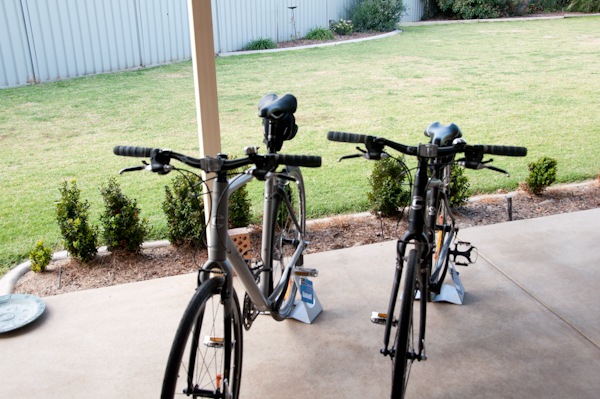
Here they are. They didn't come with kickstands (and none were offered...those things just add extra weight) so we bought these stands for them like they use in the store.

What we bought are Cannondale Quick Carbon 2 commuter bikes, meant for a variety of terrain (these bikes are so cool, they even have their own website). Lisa’s bike (half price for last year’s model) cost more that double what we had spent for both our bikes in Edmonton. Dan’s new one, because it was a larger frame, was a bit more. If we had purchased 2011 models, it would have been about 25% of the price of our car (gulp!). And Kidsons service was great – they tracked these down from their supplier, and to keep the price down brought in a ‘jumbo’ frame for Dan but altered the seat post and head stem to make it fit him.

Being made mostly of carbon fibre, as opposed to aluminum (pronounced phonetically in Oz as “al you min um“) or steel, they are very light. Lisa’s is about 10 kg; Dan’s is a bit heavier because it is bigger.  They have  a wide gear ratio so you can easily climb steep hills but also go quite fast. And the guy at Kidsons was really thrilled to be selling Lisa a bike  this good. His opinion is that the better the bike, the more you will ride it, and with the gear ratio and the weight, these are very efficient bikes – you can ride a long time and not tire too much. He said that men often buy better bikes than women, and few men ever buy ones this good (unless they are hardcore road bike guys – and there are a lot of those around Wagga) so even fewer women buy them. He’s a bike geek, obviously, and so the idea of providing something this good made him happy. Lisa thought the colour (matte BBQ) was cool.

And we have been doing quite a bit of riding. We try to get out for 70 to 80 minutes every Saturday and Sunday, though sometimes other things come up. And before Dan started working, he was out for 90 to 100 minutes each day. (And thanks Wader for the tip on Cyclometer for iPhone – it’s a great app for keeping track of time, speed, calories burnt, etc.) As the days get longer with the onset of summer, we will figure out how to ride before or after work. Probably before, because it will be really hot after work. The roads here are quite safe for riding on, and we live close to some good bike ways. A typical hour-long ride might be 10 minutes of street, 39 minutes of paved trail, 7 minutes of hard-parked clay, 3 minutes of mud, and 1 minute of horse poop (multi-use trails here are really multi-use!).

The cable ties might look a bit silly, but no sillier than being knocked to the ground by a mommy magpie.

The real point of this post was to point out that this past week was Bike Week in New South Wales. But along with bike week, it is also magpie season. Supposedly they are nesting and get quite aggressive when they are protecting their eggs, so cyclists make ‘antennae’ on their helmets, using cable ties, to scare the birds away.  Lisa’s reaction when she saw Dan with them: “you look like an idiot”. He thinks it will help prevent him from being attacked by a territorial magpie, but she isn’t convinced that the risk of a bird attack outweighs looking silly.

Next up, more about Bike Week, and the trails we ride on and ones we want to ride on.

Posted in Australia, bicycle, bicycles, bike shops, birds, cannondale, cycling, Riverina, rural life, sports, wagga, weather | 5 Comments

Bright lights, big city: part 2

There are a few big public galleries in Melbourne that are worth visiting. We didn’t make it to the Tutankhamen show at the Melbourne Museum, nor did we go to the Vienna exhibit at the National Gallery of Victoria. Both, according to people we know who had been there were very good, but Lisa has seen King Tut stuff before, and Klimt and Schiele et al. aren’t really our favorite school of art. And since we didn’t want to spend the entire trip indoors (weather was spectacular for most of the trip; 28 degrees!), we opted for free exhibits that gave us some insight into Australia; international art and artifacts can be seen anywhere.

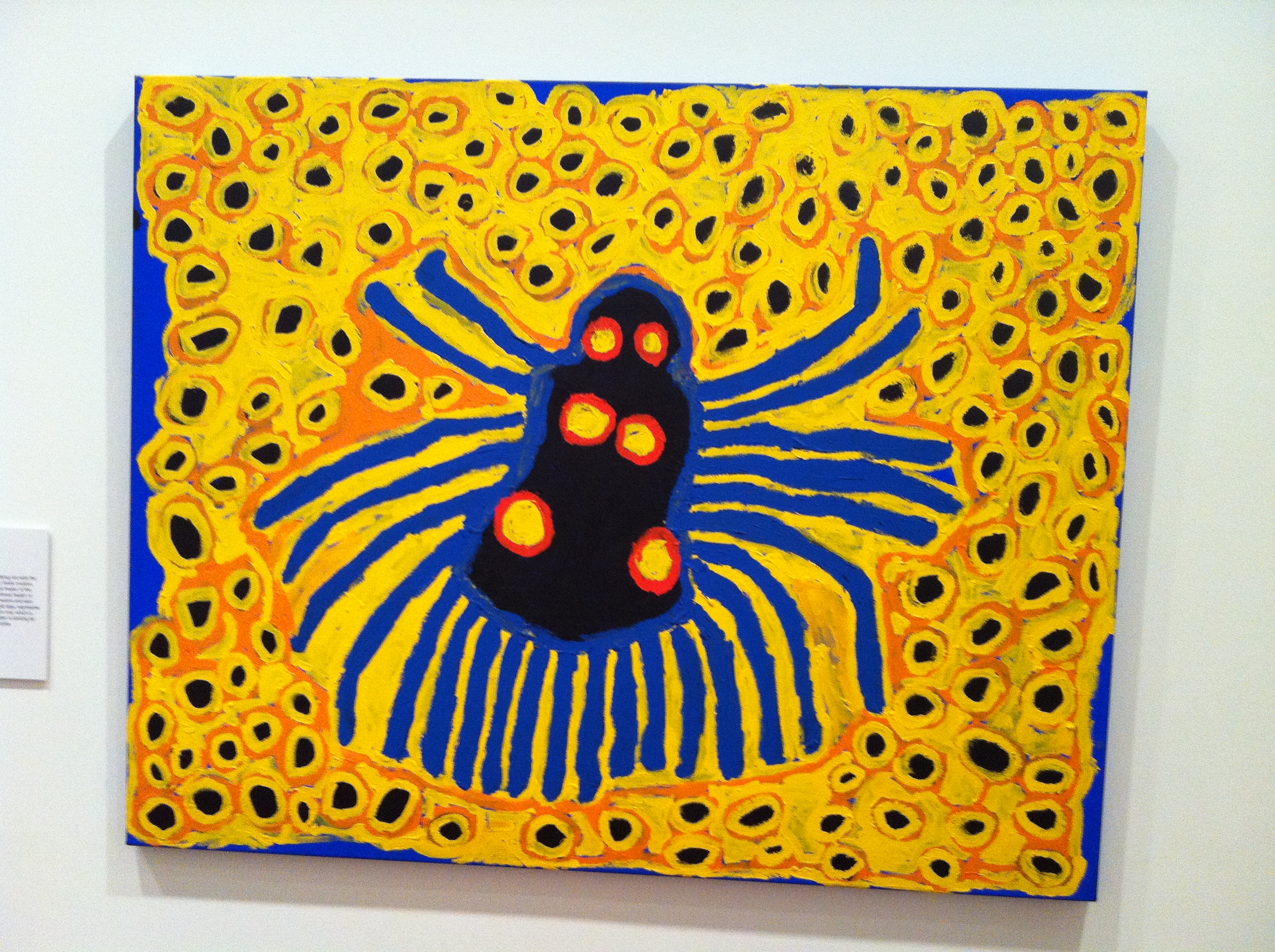
This painting tells a story about water. Without reading the accompanying description (which we don't have a photo of), it might be hard to tell. And this was one of the more representational images in the exhibit.

First up for us was an exhibition of indigenous painting called Living Water. The basis for the exhibition was that in the last decade or so, many of the indigenous communities regained land rights and, following that, decided to document some of the historical and contemporary information about their relationship with water in the western Australian desert. But, ‘documenting’ to them isn’t about writing it out, it is about painting the story. But what is really interesting is that the art is quite abstract, much of it in the aboriginal ‘dot painting’ style, but not all. There were some interesting stories printed alongside the paintings, often about snakes and mythical creatures. It was, for us, a very entertaining and enlightening introduction to aboriginal painting both visually (we’ve seen some, but this was the first really large exhibit, and not of stuff that was in a tourist shop) and for the historical and social meaning of the work.

Next up was an exhibit at RMIT Gallery about Australian street art, comprised of posters, stickers, graffiti stencils, etc. Pretty cool stuff. Unfortunately, we didn’t understand all of it, as we haven’t quite got Oz politics figured out yet. There was a lot of stuff about immigration and refugees, which is the hot hot hot topic here these days – we got that part. But unfortunately the curators failed to provide much context about the pieces, so we just looked at some of it and said “Huh?” But that seems to be the Australian way; the newspapers, for instance, don’t provide a lot of background, with articles on important issues only using acronyms, for example. They seem to think that everyone knows what they are talking about (e.g, GFC; APY lands). Oh well, the exhibit was interesting despite a bit of confusion. Sorry there’s no pictures…some galleries get a bit picky on that.

We couldn't take photos in the street art exhibit, it was too dark in Rockpool, and we already posted one from MoVida...so this is another from the water exhibit. You can pretend it is street art or food if you wish.

Foodwise, it was also a really good weekend. As previously mentioned, we went to MoVida Aqui and Rockpool Bar and Grill. Can’t say much about MoVida but that it is a Melbourne institution for Spanish food; they have three restaurants, all of which are packed all the time. We bought both of their cookbooks.

Rockpool Bar and Grill is part of a small ‘chain’ of restaurants owned/overseen/whatever by Neil Perry from Sydney. His original place, Rockpool, is in The Rocks, and considered to be one of the top 5 in Australia. He has expanded to having these B&G ‘steakhouse’ type places, as well as Indian-inspired Spice Temples in a couple of cities. We ate at the B&G in Sydney on our last trip to Oz and loved it, so jumped at the chance to go to the one in Melbourne.  The modus operandi of these places is similar to that of Fergus Henderson’s St John restaurants (yummy favorites of ours) in London (the real one): start with really good meat and produce, and don’t mess with it too much, just prepare it simply. In fact, one of the side dishes was “carrots inspired by St John.”  Most things are cooked on a wood fire, and served without a lot of fuss. We had steaks…just big pieces of meat grilled to perfection.  Proof that good food doesn’t have to be complicated, it just has to start with quality ingredients. Quail appetizer, a bottle of super good shiraz from Geelong, some rhubarb/apple crumble, a ginger cupcake, great coffee… Fine dining doesn’t get much (any?) better than this.

The Queen Victoria Market is the type of place where you can buy a quality goat for just $62. Not sure how much the pig was. Or why the pig was wrapped and the goat wasn't.

And Melbourne has an interesting market area. It is kind of odd, in that many of the vendors have similar, or even the same, products, but it is good stuff so that isn’t really a concern. We went on our first afternoon, scouted things out, then returned on our last day in town to actually pick up some provisions. We found some cured chorizo, some dry hungarian salami, and a lot of cheese. We can get good (very good, actually) cheese in Wagga, but the variety in Melbourne was too much to ignore. We came home with maybe 2 pounds of various cheeses… And Dan found a place (Market Lane) that sells small batch, single origin coffee similar to what he bought at Transcend in Edmonton. However, the coffee is at Oz prices, so any visitors from YVR are asked to pack bags of kiamabara into any crevice possible (in your luggage, that is!) and hope the sniffer dogs don’t find it.  And while on a hunt for good loose-leaf Earl Grey tea for Lisa, he actually found Fortnum & Mason Classic, the original Earl Grey that she has been hooked on since first buying it in London (the real one) a few years ago.

We didn't get into the Melbourne Botanical Gardens. We've been in Sydney's a few times, so are curious to see how they compare. And the one in Wagga is supposed to be fantastic too - we will check it out very soon and report back.

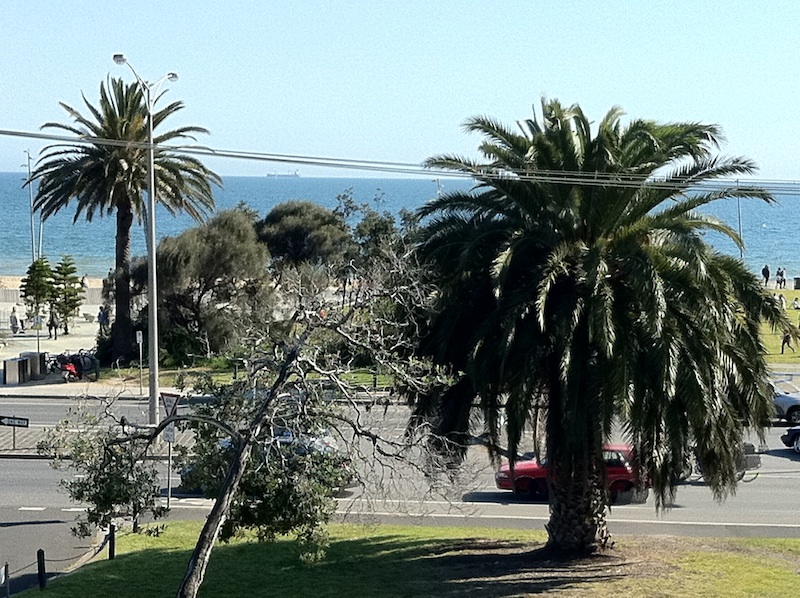
There are still huge parts of Melbourne to discover. We sped through St. Kilda, a beautiful sea-side suburb, too quickly. We didn’t get to the botanical gardens, or the aquarium. Or really much outside of the CBD. We’re sure to make this a regular ‘weekend away’ place, as well as a stop on the Oz tour for visitors (hello… any takers? Watch this space for details on our ‘1st visitor(s) prize package’ – coming soon…).

Posted in art, Australia, farmers market, food, market, Melbourne, politics | Leave a comment

Bright lights, big city: part 1

We’ve been living in Wagga now for 10 weeks, and we’ve pretty much stayed close to home for the entire time. Yes, there have been a couple of overnight trips north to Bathurst for work, and day trips to Ganmain and Junee, but nothing really exciting (well, the Ganmain Show was very exciting, and the Junee Farmers Market a hoot!). More like, no trips to bigger cities, as Bathurst is about 1/2 the size of Wagga and Ganmain and Junee are just little villages. So it was with great anticipation that we took off to Melbourne for an extended weekend because Lisa had some meetings there.

A bit of background on Melbourne: Melbourne is the capital of the state of Victoria, and is probably considered Australia’s “second city”. Home to around 4 million Melburnians, it is a bit smaller than Sydney (population of about 4.5 million people), but is growing at an extremely rapid pace. People from Sydney, however, probably don’t consider it to be a big city, much like people from Melbourne think that Perth (pop. 1.7 million) and Adelaide (pop. 1.2 million) are just small, remote towns. What must they think of Wagga? Or Junee! Well, in all honesty, they probably don’t think of these very often, if at all.

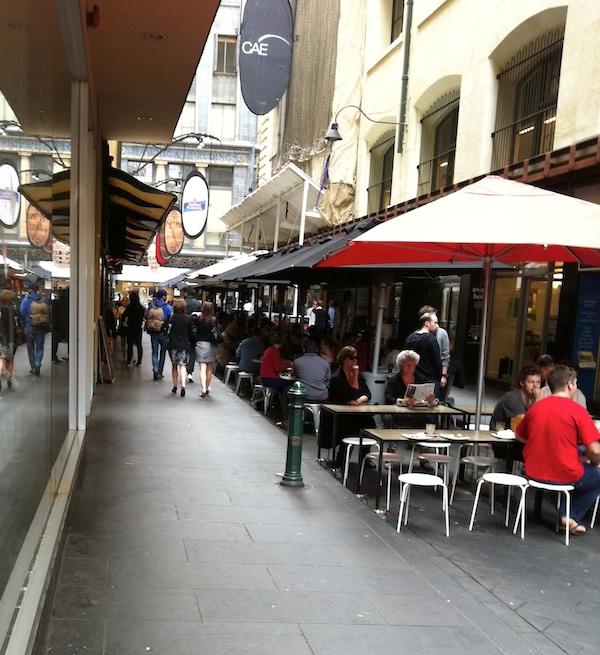
Melbourne's CBD is a warren of streets and lanes, connected by alleys full of coffee shops. This is where people congregate for food and coffee in the mornings.

Despite its size, we don’t know much about Melbourne. It is overshadowed by Sydney, probably because Sydney is the landing point for most people coming into the country (not to mention all that coverage of the New Year’s celebrations on TV back in Canada). And because it has iconic landmarks like the Opera House and the Harbour Bridge. But despite its relative obscurity, Melbourne is a very nice city. It has everything we could think of wanting; it is very scenic (on a harbour, with the Yarra River running through the city), and it is quite easy to get around in (despite the spectre of ‘hook turns’, which we will tell you about in a future post).  And it seems less frantic than Sydney. It also seems like people take it less seriously – Sydney people like to think Sydney is special, and it is – but not that much better than Melbourne. The attitude in Melbourne, however is much less pretentious. These are people who live in a great city and know they don’t have to keep telling people how great it is – the city speaks for itself.

Melbourne also seems a bit less stuffy than Sydney. The CBD of Sydney is very corporate feeling, whereas Melbourne is a more bohemian culture; alleys lined with funky shops and coffee bars are where the life is. Add to that some great restaurants and a good public transit system, and it seems like a very liveable, and highly visitable, large city. Much of it is suburbs, but the central part of the city is a nice mix of modern and old, with some very nice architecture from both eras.

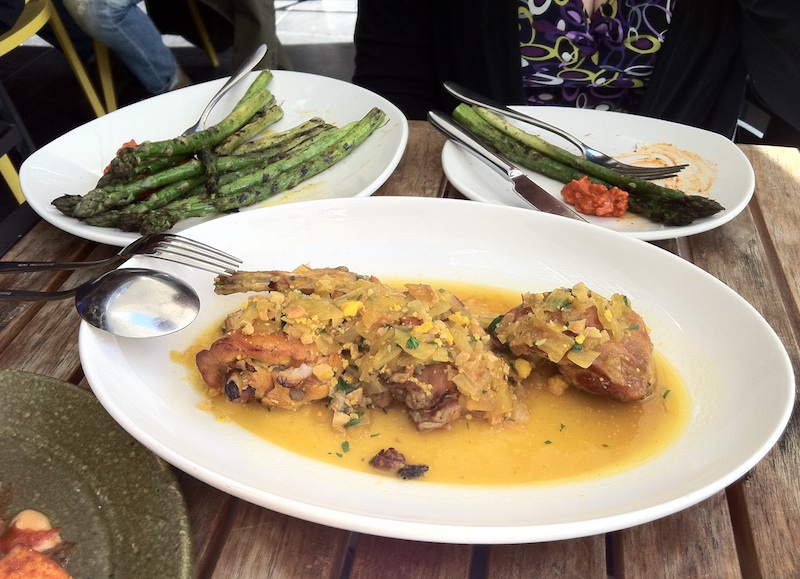
After a long drive, we were thrilled that the concierge at our hotel recommended MoVida Aqui, a Spanish restaurant just around the corner, for lunch. Dan had actually read about it online, but didn't know where it was. It was so good we went back for dinner on Saturday, and bought their cookbooks. Above are asparagus with romescu sauce, and braised rabbit. Yum!

There are a couple of ways you can get to Melbourne from Wagga: you can fly (REX air goes direct),  you can take the train, or you can drive. We did the latter, and with a brief stop in Wangaratta (cool little town, we’ll be back for the jazz festival in October!) to pee and stretch our legs. It was 6 hours from the time we locked our front door until we were ensconced in our hotel room (gps got us lost briefly, check in took a while, etc.). We know of someone who has done it in 5 hours, but there were a lot of police radar cars on the road during our trip down. Not a bad trip either; not a lot of traffic, and some nice scenery along the way.

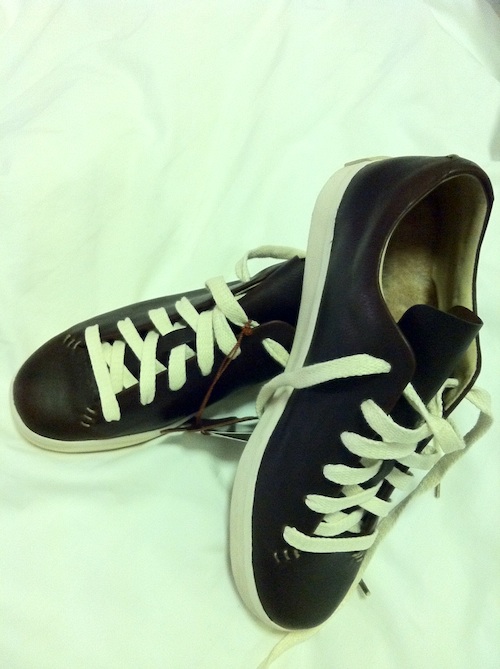
Among her other finds on this trip, Lisa bought a pair of really nice sneakers made out of kangaroo, with sheepskin insoles. They are made by the same company that makes UGGs, and yes, she bought some really funky uggs too! When in Oz, dress like an Ozzie.

We came with very little planned. Lisa wanted to stock up on some things she can’t get in Wagga, such as toiletries from Kiehls, make-up from Mac, and look for some clothes such as Mavi jeans, and maybe a new pair of Fluevogs (a colleague told her that Sole Devotion carries them…and they do!). Dan had scouted out a couple of interesting shows at art galleries, and made a reservation at Rockpool Bar and Grill, one of the best restaurants in the country to celebrate our anniversary that was the week before. And we had plans to have dinner with Lisa’s supervisor and his family (he lives here) one night, another of her colleagues who lives here another night, and an old acquaintance from Edmonton, an Australian woman who did her Masters there and we hadn’t seen in several years. Other than that, lots of wandering around, sight-seeing, dining, and just generally soaking up the big city.

It has been a successful trip. Lisa found some Fluevogs she liked (and talked Dan into buying some new ones too), and also discovered Trippen, a German shoe company that makes really cool and comfortable shoes. She got some new jeans, and all the toiletries she wanted. And we dined on some spectacular food, saw some interesting art, and enjoyed some beautiful weather and the social events were fun.  We’ll report on the food and art in an upcoming post.

Though we might not want to live there, it is nice to know that for a respite from inland, rural Australia, this is just a morning drive away and a great place to spend a weekend. But don't worry MO, we'll be coming to Sydney too.

But something that we learned is that we have a hard time with the crowds. Wagga isn’t crowded. In fact, it is pretty spartan in terms of people most days, so walking the streets of Melbourne is the most people we have encountered in a long time, easily since our UK trip in June (Manchester, for example, was quite crazy). The congestion, the jostling, trying to walk the streets without being run into, it all gets very exhausting. Though we’ve been having a good time, we don’t think we could live here right now. We came to Wagga, partly, to escape the big city, and find that we are enjoying that aspect of life. Sure, we love being in Melbourne, and will come back here and go to Sydney and other cities in Australia, but the crowds have reinforced our decision that Wagga is the right choice for us right now.

Posted in Uncategorized | 3 Comments

Goon squad

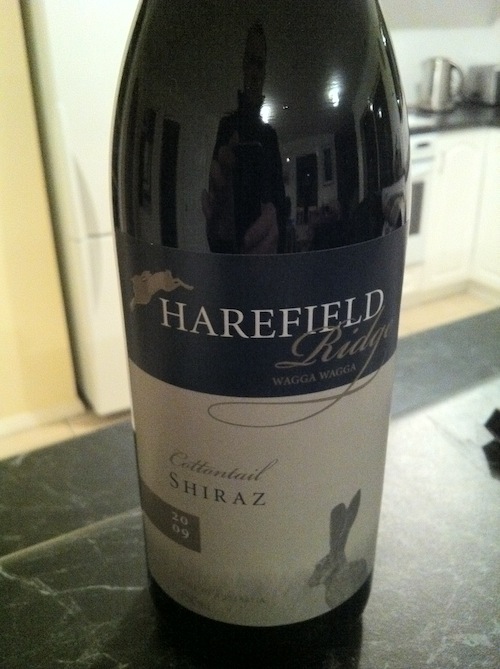
Harefield wines are very good. It is just outside of Wagga. The owner says a new tax will hurt him, but don't all business people say that...

This week in the Wagga Daily Advertiser newspaper, there was an article about a local winemaker complaining that a proposed new tax structure might put him and other, similar boutique winemakers out of business. The purpose of the law is to make alcohol more expensive, thus cutting down on drinking. The whole idea of that is silly…but that’s not the what we are discussing here…It is also silly that this law was proposed 16 months ago and the Daily Advertiser was writing this article, but…well, it is the Daily Advertiser.

Background: wine is taxed in Australia on wholesale price, not on volume like in Canada. So, here, a bottle that costs $3 at wholesale might have a tax of 25 cents (sorry, don’t know the exact amount) and retail for $10.  A bottle that wholesales for $18 would have tax at $1.50, and retail for some proportionally higher price. In Canada, booze is taxed based on the actual alcohol content, so any 750 ml bottle of wine with, say, 13% alcohol will have the same amount of tax, whether it be a $10 bottle of yellowtail or a $200 grand cru bordeaux. A $25 bottle of cheap Canadian whisky will have the same tax as a primo Highland Park 30 yo single malt.

This is the type of thing we could buy - but don't - with the change that ends up bouncing around in the dryer because Dan forgot to empty his pockets.

So, how does this make a difference to wineries: numerous ways. First, it would up the price of good, boutique wines. The aforementioned winery sells its wines at our local market for about $20 a bottle; if their price goes up due to tax increase by, say $4, they might hit a threshold that the average buyer wouldn’t go over.  But if you go into the local Woolies, you can buy a 5 litre box of…well, they call it wine, and technically it is fermented grape juice, but…well, we wouldn’t buy it…for, get this: 2 for $22. For the mathematically challenged, that breaks down to $11 for one box.  A 5 litre box. So, $2.20 per litre. Since a bottle of real wine is 750 ml, that means this stuff is selling at $1.65 per bottle equivalent, and so would go up only a few cents.  Probably not going to make much of a difference to the hardcore drinkers…

In the Riverina area, there are two kinds of viticulturists and winemakers: the boutique ones who grow on small plots of land, make small batches of good to great wine and sell them at a fairly high price; and, the big vineyard growing mediocre bulk grapes who sell to big, faceless winemakers that make cheap wine for anyone, and don’t bottle under their own name.  If this tax happens, the small companies will be hurt, but it might be good for the bulk producers.

Blah blah blah. That little bit of background into the wine industry isn’t actually important. Do you care? No, probably not. But it is a great set up for the rest of this post. Originally, this was going to be part of the next HTSA post, but we thought that the term ‘goon’ warranted its own entry.

The AC/DC branded wine is made by a Riverina producer that makes crap for anyone. This, however, isn't actually that bad.

One day last week, Dan was at CSU student central picking up his staff card and happened upon a brochure for Health Promotion, targeted to students, on the topic of responsible drinking. It was all about Goon.  Here’s the text:

[Note from Lisa: this is the start of the quoted section; not sure who owns the copyright on this, but it’s all theirs]

Cask wine in Australia is colloquially referred to as ‘goon’ or ‘boxy’, in reference to its low price & high alcohol content. It is a cheap alcoholic drink that ice-cold or mixed can taste ok, on the other side, it can be disgusting and might contain remains of Fish & Eggs (even though these are finishing agents they are still listed on the side of the box!). But mostly Goon does not go down well unless mixed & kicks like a mule!
History

In 1965 an Australian called Thomas Angove from SA put 4.5litres of wine into a box and sold it. GOON was born! Now the GOON is in a plastic space-bag inside the carton.
The space Bag.
These space-bags are water-proof and their uses are many & varied. There is the ‘GOON Crown’ where the carton box is made into a hat. The ‘GOON pillow‘ where the space-bag is in-flated & used as a pillow.
Slap the GOON
Created by a person in Byron Bay, it started with the idea that you had to slap the space-bag before drinking. What is does to the wine is any ones guess but it definitely doesn’t make it taste any better!

This is what the shelves look like in our local liquor stores. But, oddly, we don't see that many people actually buying the stuff. And no one we know drinks it. But then again, we don't know anyone under 25...

Anecdotal accounts of Goon usage
“It doesn’t taste good. Imagine the kind of bottle wine you‘d buy when you‘re 14 & wanting to impress the ‘girlfriends’ family. Then image you poured the entire bottle over a mattress that someone with a quite violent flu had spent the week on watching old Jerry Springer reruns. You let that ferment for a week maybe, then squeeze that mattress out, collecting every last drop. That‘s the best way I can describe the taste of Goon.”
“Every time you drink Goon, your experience will be the same in that you will undoubtedly: wake up the next morning with little or no memory from the night before; be wearing at least one article of clothing you have never seen before; have multiple bruises in unlikely places; have multiple missed calls & texts from new names in your phone like ―spikey bathroom girl! or ―tequila man—NO!”
“Every time you drink Goon, your experience will be completely different because you never really know who you or your drinking mates will become that night.”
“A night on Goon is different every time. But they will usually be blackouts, they‘ll usually be incredible mistakes your friends will not let you live down.”
“That crap kills you!”

[Note from Lisa: End of quoted text; seriously – could we make this shit up?!]

The moral of this whole Goon story, for those in Canada: don’t buy Angoves wine. You can get it there – most of the bottles have a koala crossing sign on them; if that isn’t enough reason not to buy it, think of the flu-stained mattress. Eww!

Posted in Australia, bogans, Drinks, farmers market, Riverina, wagga, wine | Leave a comment

everything you ever wanted to know about kangaroos

Having now lived in Australia for 2 months, we are experts on kangaroos. So, for those outside of Australia, here are a whole bunch of facts and trivia about kangaroos. For those of you in Australia (or anywhere else who actually know anything about kangaroos…) stop reading now!

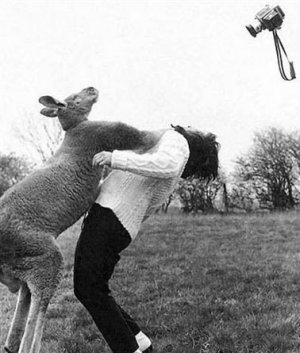
Yes, they might look nice, but look closely at their hands: those claws could rip you open! Maybe that's why they wear boxing gloves in fights.

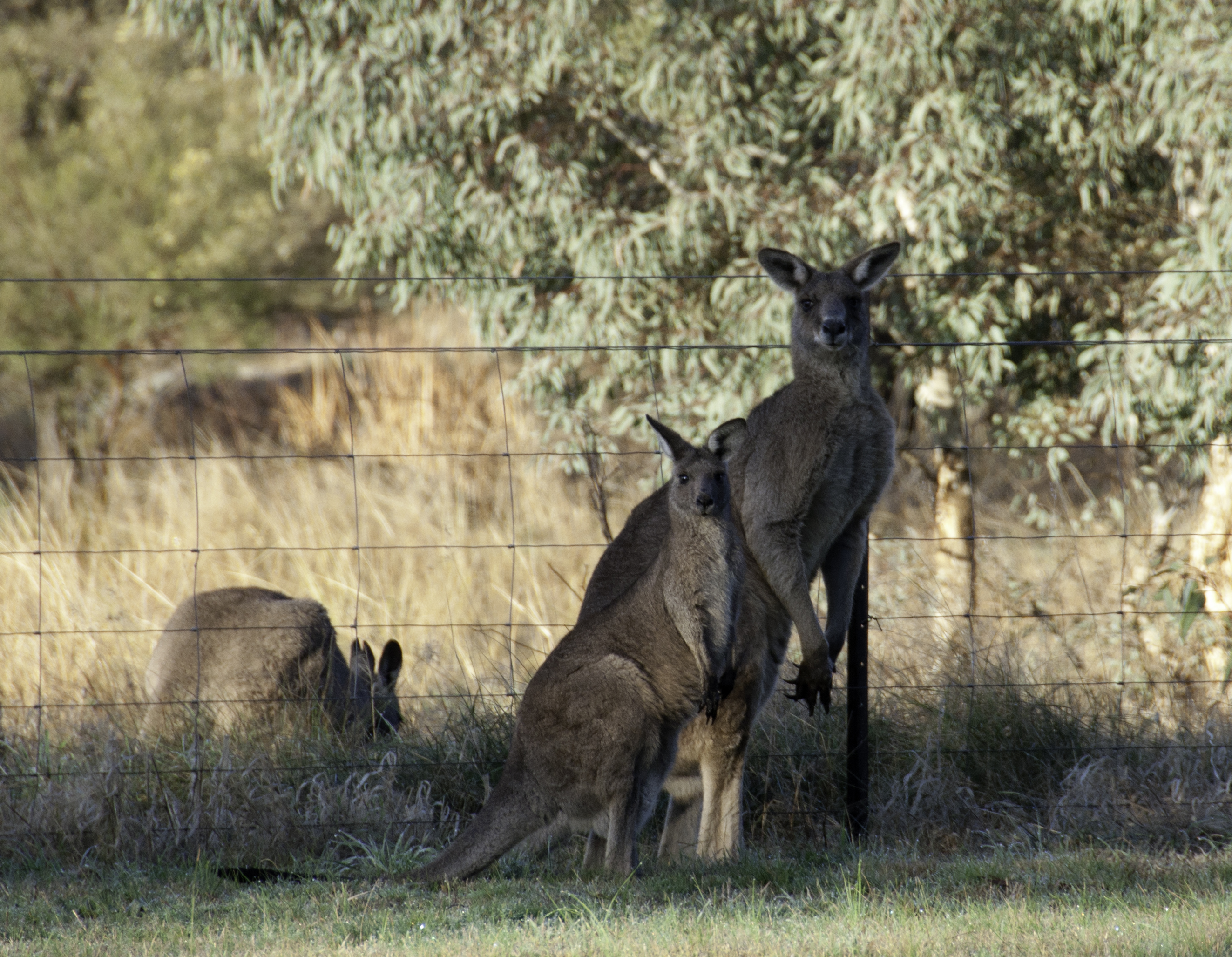
Kangaroos are cool. And they are pretty common. We see them three, maybe four times, each week. They are very abundant on the CSU campus. We have also seen them on various drives around the region, especially on the drives we have done to Bathurst. And though Australians are a bit complacent about them, they are really cool. They are cute, and they look really smart and cuddly.

Kangaroos are marsupials. There are about 300+ different marsupials in Australia. These include wallabies and possums, both of which we have seen. There are 4 common kangaroos – the Eastern Grey, the Western Grey, the Antilopine (sort of “the Northern Grey” equivalent), and the Red. The kangaroos in the Riverina area are Eastern Greys. The average male stands about 2 m high and weighs about 65 kilos. The biggest kangaroo is the Red. We haven’t seen one of those yet…have to go to another part of the country.

Dan really wants to get near to a kangaroo for some good close-up portraits, but is afraid of what might happen.

Kangaroos don’t like having their pictures taken. Though we have managed to get a few shots (interspersed throughout this post), they seem to sense when we have a camera at hand and know that is when to hide. When we are camera-less, they are everywhere. We think that this sensitivity to cameras, however, will aid us in not hitting one with the car – if we are driving through a forested area at dusk or dawn, when they are most active, we will just make sure the camera is in the car. They will avoid us.

Kangaroos like to sleep at the side of the road. On our most recent drive to Bathurst, we probably saw 30 of them, laying in the roadside…or at least that is what we like to tell ourselves : (  In reality, kangaroos don’t have a very good track record with highways. Drive through the main highways in regional NSW, and  you can’t go much more than 10 minutes without seeing one that was on the losing end of a car crash.  But they seem to be so abundant that this doesn’t really concern anyone.

Anyone who likes Looney Tunes will remember that Hippety Hopper got into Sylvester's basement in one cartoon. This is why Australian houses don't have basements; if they did, the kangaroos would have a place to hide.

Kangaroos and cats don’t get along. If a kangaroo gets into your house, it will reach into its pouch, pull out its boxing gloves, and go a couple of rounds with the kitties.  It really isn’t a fair fight  usually, as ‘roos would be the animal equivalent of ‘cruiserweight’ or ‘light heavyweight’ probably whereas the cats would fall into the ‘flyweight’ category. Sure, the cats might have a bit in speed, but the weight and reach of a boxing kangaroo would give it a serious advantage. So we will make sure we keep the kangaroos out of our house (Lisa edit: sorry Dan, I know you want one, and think Malachi could hold his own against one and even protect Lester and Ellie, but NO!)

Kangaroos smell really horrible. We can’t say that definitively, as we haven’t really been close enough to any to smell them, but one day when Dan was cycling south of the city, he passed by one ‘sleeping’ by the roadside. It had obviously been there for a couple of days, and though he was riding by at more than 20 mph, the reek was horrendous. Even after getting home and showering, he could still smell it, as though it had permeated his sinuses. Hopefully the live ones smell a bit better. Moral of this story: if you are driving by a dead kangaroo, roll up the windows.

Kangaroos taste good. We’ve had kangaroo metwurst sausage, and kangaroo mince, so far. It is a very lean, red meat, similar to venison. Yum! It isn’t easy to get though; there is mince available, and roasts, but we really want steaks. For some reason, Aussies don’t typically eat kangaroo. We don’t get that!

Kangaroos can’t move backwards. This might or might not be true. There is some rumour that the reason the Australian coat of arms has a kangaroo on one side and an emu on the other is that they are both animals that can only go forward, and that is then used a symbol of progress.  But it could all just be a bunch of crap. MO, if you’re reading this (against our express wishes in paragraph one!), perhaps you can enlighten us (and everyone else reading this post)?

Wallabies are similar to kangaroos. They look very much alike, but wallabies are smaller and darker. And they are even more averse to having their photos taken. We have seen a couple of them (they live on Yindyamarra hill on CSU campus), but can’t get a photo no matter how hard we try. Maybe they are afraid of having their souls stolen.

Kangaroos look like stumps. The Eastern Grey kangaroo is grey. The most common tree in this region is the river gum, which is a kind of eucalyptus tree that sheds its bark; so when they are older, they are about the same colour as a kangaroo. This makes it very hard to spot a ‘roo in the forest. It also makes it hard to photograph them if your camera is on autofocus, because it can’t pick out anything distinct.

We’ve now told you everything there is to know about kangaroos. Coming soon, everything there is to know about birds of Australia. Or maybe a second kangaroo post; one of Dan’s new work colleagues said she will teach him how to ride one of the kangaroos that hangs around outside of her office. We don’t think it is actually possible, as he is bigger than the Eastern Greys, but if it happens, it will be the subject of another entry. There will be photos, video, information about the local hospital… 🙂

Posted in Australia, birds, cats, CSU, emu, food, kangaroo, wagga, wallabies, wildlife | 4 Comments